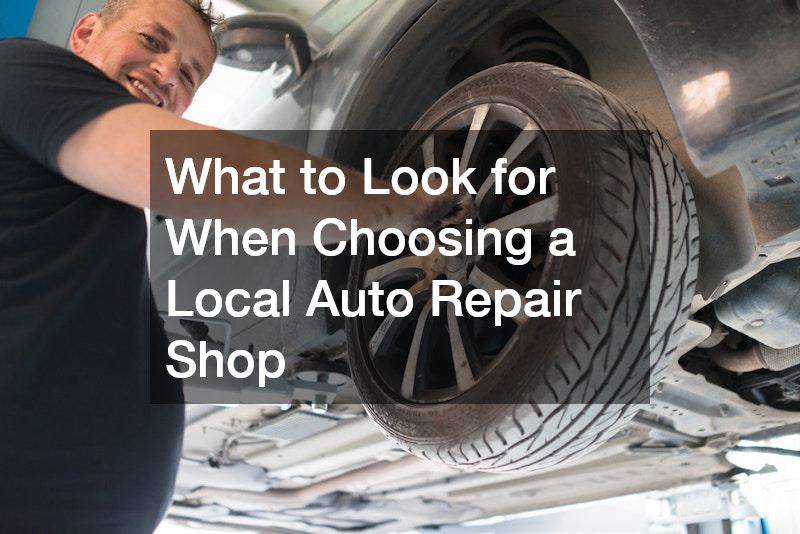

Choosing a local auto repair shop is a decision that affects more than just your vehicle’s immediate condition. It influences long-term reliability, safety, and overall ownership costs. With so many options available, it can be difficult for car owners to know which shop will truly meet their needs and which ones may cut corners. A thoughtful selection process helps drivers feel confident that their vehicle is in capable hands, whether they need routine maintenance or unexpected repairs. Taking the time to evaluate a shop before problems arise can prevent stress and costly mistakes later.
Many drivers wait until something goes wrong to look for a repair shop, often choosing the closest or cheapest option out of urgency. While convenience matters, quality and trustworthiness are far more important in the long run. A reliable shop should be transparent, communicative, and consistent in its approach to vehicle care. These qualities are often reflected in how the shop operates day to day, from how it explains services to how it treats customers and vehicles alike. Paying attention to these details early can make a significant difference over time.
Understanding what to look for empowers car owners to make informed decisions rather than relying on guesswork. Factors like credentials, experience, and service focus all play a role in determining whether a shop is a good fit. By learning how to evaluate these elements, drivers can build lasting relationships with professionals who prioritize vehicle safety and performance. A well-chosen shop becomes a trusted partner in keeping a car running smoothly for years to come.
Choosing a local auto repair shop is a decision that affects more than just your vehicle’s immediate condition. It influences long-term reliability, safety, and overall ownership costs. With so many options available, it can be difficult for car owners to know which shop will truly meet their needs and which ones may cut corners. A thoughtful selection process helps drivers feel confident that their vehicle is in capable hands, whether they need routine maintenance or unexpected repairs.

Checking Certifications and Professional Credentials
Professional credentials are one of the clearest indicators of a shop’s commitment to quality and accountability. Certifications show that technicians have completed formal training and met industry standards, rather than relying solely on experience. This matters because modern vehicles are increasingly complex, with advanced systems that require up-to-date knowledge. A shop that values credentials demonstrates a willingness to invest in education and maintain consistent service standards.
From a general perspective, certifications help protect car owners from improper repairs and misdiagnoses. They signal that technicians understand best practices, safety procedures, and manufacturer guidelines. Shops that prioritize certified staff are often more organized, methodical, and transparent in their work. This professionalism tends to translate into clearer explanations, more accurate estimates, and fewer repeat issues after service is completed.
More specifically, credentials matter when it comes to auto repair because they reduce the likelihood of shortcuts or outdated methods. Certified technicians are trained to follow structured diagnostic processes rather than guessing at problems. This approach saves time, protects vehicle components, and supports long-term reliability. When evaluating a shop, asking about certifications and ongoing training provides insight into whether the business prioritizes precision and accountability in every repair.
Evaluating Experience With Your Vehicle Type
Experience is just as important as credentials when choosing a repair shop, especially since vehicles vary widely in design and construction. Different makes, models, and body styles present unique challenges, and familiarity with those differences helps technicians work more efficiently and accurately. A shop that regularly services vehicles similar to yours is better equipped to anticipate issues and recommend appropriate solutions. This experience often results in smoother repairs and fewer complications.
From a broader standpoint, vehicle-specific experience affects how repairs are planned and executed. Shops that understand structural layouts, material types, and manufacturer standards can approach repairs with greater confidence. This is particularly important when dealing with exterior damage, where precision affects both appearance and safety. Knowledge gained through repeated hands-on work helps technicians deliver consistent results that meet expectations.
When it comes to auto body work, experience plays a critical role in restoring both form and function. Technicians who are familiar with panel alignment, paint matching, and structural integrity are more likely to deliver results that look natural and perform properly. Asking about past projects or areas of focus can help car owners gauge whether a shop has the right background. Choosing experience over convenience helps protect the vehicle’s value and overall condition.
Reviewing Online Ratings and Customer Feedback
Online reviews offer valuable insight into how a repair shop operates beyond its advertising. They reflect real customer experiences and often highlight patterns in service quality, reliability, and professionalism. While no business is immune to the occasional negative review, consistent themes such as honesty, timeliness, and clear communication are strong indicators of a dependable shop. Reading a range of reviews helps car owners understand what to expect and identify potential red flags before scheduling service.
Looking more closely, reviews can reveal how a local auto repair shop handles challenges, not just routine jobs. Pay attention to how the business responds to feedback, especially criticism. Thoughtful, professional responses suggest accountability and a willingness to improve, while defensive or dismissive replies may signal future frustration. Customer comments about repeat visits, resolved issues, and long-term trust are especially telling. Evaluating feedback with a critical but balanced eye helps drivers make more confident, informed decisions.

Comparing Transparency in Pricing and Estimates
Clear pricing is essential when choosing a repair shop, as it builds trust and prevents misunderstandings. Reputable shops explain costs upfront, provide written estimates, and walk customers through what services are necessary versus optional. Transparency helps car owners budget appropriately and reduces anxiety around unexpected charges. A shop that avoids vague language or rushed explanations is more likely to value long-term relationships over quick profits.
This clarity becomes especially important with larger, more involved services. With transmission repair, costs can vary widely depending on diagnosis and scope of work. Shops that take time to explain why a repair is needed, what alternatives exist, and how pricing is structured demonstrate professionalism and respect for the customer. Comparing estimates from multiple shops can also highlight differences in approach and honesty. Choosing transparency over the lowest price often leads to better outcomes and fewer surprises.
Assessing Communication and Customer Service
Strong communication is a defining trait of a trustworthy repair shop. From the first phone call or online inquiry, customers should feel heard and respected. Clear explanations, timely updates, and patience with questions all contribute to a positive experience. Good customer service also reflects how a shop values its reputation and relationships, not just the vehicles it services.
More specifically, modern shops often rely on digital tools to support communication. Features powered by auto repair marketing software can include appointment reminders, service updates, and follow-up messages that keep customers informed without confusion. When used thoughtfully, these tools enhance transparency and convenience rather than replacing personal interaction. A shop that balances technology with genuine customer care creates a smoother, more reassuring experience for car owners at every stage of service.
Understanding Warranties and Service Guarantees
Warranties and service guarantees are important indicators of a repair shop’s confidence in its work. A clear warranty shows that the shop stands behind its repairs and is willing to address issues if something doesn’t perform as expected. For car owners, this adds peace of mind and reduces financial risk, especially when dealing with more involved repairs. Shops that openly explain their warranty terms tend to value transparency and long-term customer relationships.
Looking closer, warranties also reflect how organized and consistent a shop’s operations are. Clear documentation, service records, and follow-up processes help protect both the customer and the business. Many modern shops rely on auto repair business software to track repairs, warranty coverage, and service history accurately. This technology supports better recordkeeping and makes it easier to resolve concerns if a vehicle needs follow-up work. When warranties are well-documented and clearly communicated, car owners can feel more confident that the shop is prepared to support its work beyond the initial visit.

Looking at Equipment and Diagnostic Technology
The quality of a repair shop’s equipment can strongly influence the accuracy and durability of its work. Modern vehicles require precise diagnostics, specialized tools, and properly maintained machinery to identify issues correctly. Shops that invest in updated equipment are better positioned to diagnose problems efficiently and avoid unnecessary repairs. For car owners, this often means faster service and fewer repeat visits.
Beyond diagnostics, equipment quality also affects how repairs are performed. Structural repairs, custom components, and reinforced parts often rely on precision tools and fabrication capabilities. In some cases, shops collaborate with metal fabrication companies to create or modify components that meet exact specifications. This level of capability supports stronger repairs and better alignment with manufacturer standards. When evaluating a shop, observing the condition and sophistication of its equipment can provide insight into how seriously it approaches quality and accuracy.
Supporting Preventative Vehicle Care at Home
Preventative care doesn’t begin and end at the repair shop. The environment where a vehicle is parked and maintained at home can influence long-term wear and tear. Uneven or deteriorating surfaces can expose tires and undercarriage components to unnecessary stress, moisture, and debris. Maintaining a stable, clean area at home supports basic vehicle care tasks and reduces avoidable damage.
A well-maintained driveway plays a role in this preventative approach. Using driveway sealer helps protect pavement from cracking, moisture intrusion, and surface breakdown. Sealed surfaces reduce dust and pooling water, making it easier to spot leaks or perform routine inspections. By keeping the home parking area in good condition, car owners support preventative care habits that complement professional service and help extend vehicle longevity.
Asking About Maintenance and Repair Specialties
Understanding a repair shop’s specialties helps car owners determine whether it can meet their ongoing needs. Some shops focus primarily on diagnostics and mechanical repairs, while others offer a broader range of services that support long-term vehicle care. Asking about specialties gives insight into the shop’s strengths, priorities, and level of preparedness. A shop that clearly defines what it does well is often more reliable than one that claims to handle everything without explanation.
From a practical standpoint, maintenance-related specialties can signal how much a shop values safety and prevention. Attention to the physical space where vehicles are serviced matters just as much as the repairs themselves. Proper garage door maintenance supports safe vehicle movement, protects equipment, and reduces the risk of accidents inside the shop. When a repair facility maintains its workspace carefully, it reflects a culture of responsibility and attention to detail. These behind-the-scenes practices often translate into better care for customer vehicles and more consistent service quality.

Observing Cleanliness and Shop Organization
The physical condition of an auto repair shop can reveal a great deal about how it operates. Clean floors, organized tools, and clearly marked work areas suggest professionalism and pride in workmanship. While a repair shop doesn’t need to look spotless at all times, basic order and structure indicate that processes are in place and followed consistently. For car owners, this environment can inspire confidence and trust.
Cleanliness and organization also extend beyond the physical space into how a shop presents itself online. Clear navigation, easy-to-find contact information, and helpful service descriptions are signs of thoughtful web design. A well-structured website reflects the same attention to detail customers should expect in the shop itself. When online presentation matches in-person experience, it reinforces credibility and makes it easier for car owners to understand services, schedule appointments, and communicate with the business.
Choosing the right local auto repair shop requires more than convenience or price comparison. By evaluating credentials, experience, communication, transparency, and overall professionalism, car owners can make informed decisions that protect their vehicles and budgets. Each factor plays a role in building trust and ensuring consistent care over time.
A reliable repair shop becomes a long-term partner in vehicle ownership, helping prevent problems rather than simply reacting to them. Taking the time to assess these qualities before an urgent repair is needed can reduce stress and improve outcomes. With the right approach, car owners can feel confident knowing their vehicle is in capable, trustworthy hands.