
Maintaining a vehicle goes far beyond keeping it clean or filling it with gas. Reliable performance, safety, and longevity require careful attention, proactive maintenance, and timely repairs. Many drivers underestimate how small issues can escalate into costly problems if left unattended. By understanding the range of services available and knowing when to seek professional help, vehicle owners can preserve their investment and enjoy peace of mind on the road.
Regular vehicle upkeep not only prevents breakdowns but also contributes to fuel efficiency, lower emissions, and safer driving conditions. Being proactive allows owners to anticipate potential problems, plan for repairs, and choose trustworthy service providers. Beyond routine maintenance, understanding the differences between specialized services—such as luxury auto care, autobody repairs for specific brands like Lexus auto body repairs, or protective treatments like automotive coating—can make a significant difference in performance and resale value.
Choosing reliable service providers is equally important. Researching auto repair shops, checking certifications, reading reviews, and asking questions ensures that repairs are performed correctly the first time. Additionally, vehicle owners should be familiar with insurance processes, the role of insurance brokers, and legal considerations in the event of an accident, including the guidance of car accident attorneys or a car crash lawyer. For those purchasing used vehicles, selecting reputable local dealers further safeguards against unforeseen issues.
This comprehensive approach empowers drivers to maintain vehicles that run efficiently, look and perform their best, and remain safe under all conditions. This guide offers actionable strategies for selecting the right repair shops, navigating luxury and used car maintenance, utilizing protective coatings, understanding insurance, and coordinating with legal professionals after accidents. By following these practices, vehicle owners can enjoy the confidence and security that come with well-maintained, reliable transportation.
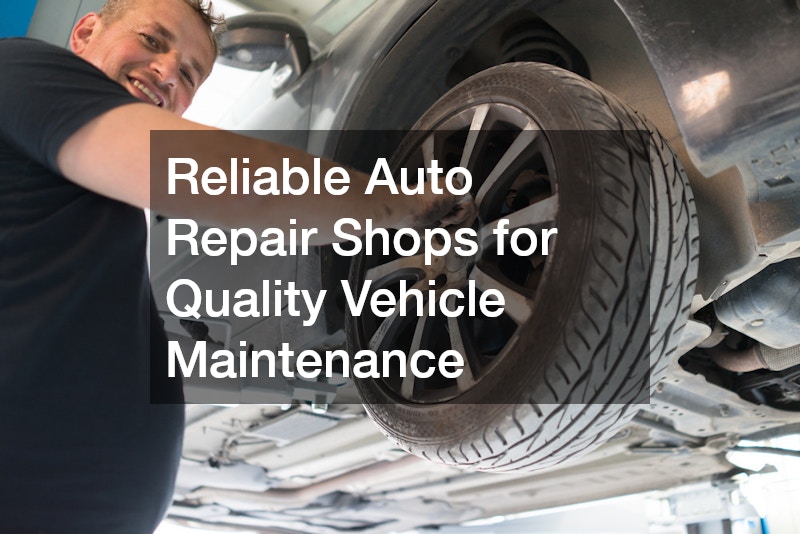
Choosing a Trustworthy Auto Repair Shop
Finding a reputable repair shop is critical for ensuring your vehicle receives proper care. Not all facilities provide the same quality, and a poorly performed repair can lead to recurring issues or safety hazards. Choosing the right shop can save time, money, and stress while keeping your car running safely for years to come.
Tips for identifying reliable auto repair shops:
-
Check certifications: Look for ASE-certified technicians and shop certifications. Certification ensures mechanics have completed standardized training and adhere to industry practices. Additionally, specialized certifications for specific brands or vehicle types, such as Lexus autobody repairs, indicate expertise in handling particular models or complex systems.
-
Research experience: Shops that have served a community for years often demonstrate consistency and reliability. Long-standing businesses usually have a track record of customer satisfaction and problem-solving, which is particularly important for complex repairs or collision-related services.
-
Read reviews: Customer reviews on Google, Yelp, and social media can reveal common patterns in service quality and professionalism. Pay attention to recurring compliments or complaints, as these often highlight the shop’s strengths or weaknesses.
-
Ask questions: Before leaving your vehicle, inquire about diagnostic procedures, estimated timelines, warranties on work, and parts used. A trustworthy shop is transparent and willing to explain each step of the process, helping you make informed decisions.
-
Compare pricing: While cost shouldn’t be the sole factor, understanding average repair costs prevents overpaying for services. Request detailed estimates and verify that they include parts, labor, and any additional fees.
-
Assess communication and professionalism: Friendly, responsive, and organized staff are indicators of a well-run shop. Clear communication ensures you understand the scope of repairs, timelines, and maintenance recommendations.
Proactive selection of a dependable repair shop reduces frustration, improves maintenance quality, and ensures peace of mind every time you visit. Partnering with a skilled and reputable facility not only protects your investment but also supports the longevity, reliability, and safety of your vehicle.
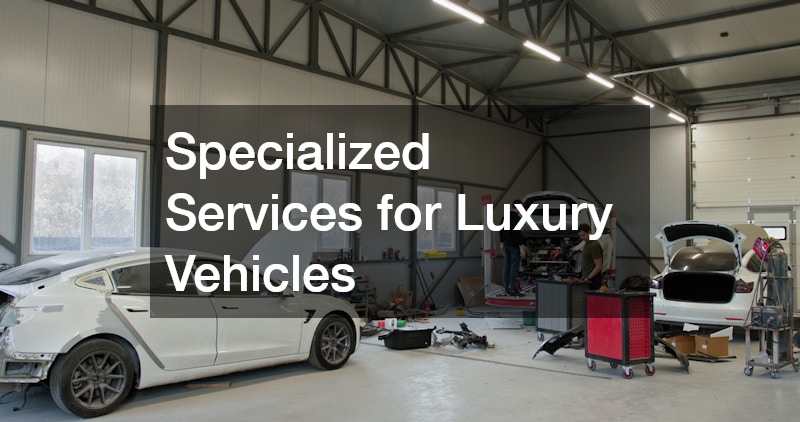
Specialized Services for Luxury Vehicles
Luxury vehicles require specialized attention, particularly for bodywork and collision repairs. Brands like Lexus have unique construction standards, materials, and performance requirements that general repair shops may not meet.
When to seek specialized autobody repairs:
-
Following an accident that damages structural components
-
Cosmetic damage affecting paint, panels, or trim
-
Advanced material handling (aluminum, carbon fiber, or composite panels)
-
Warranty-related concerns
Tips for evaluating luxury repair quality:
-
Confirm the shop uses OEM (original equipment manufacturer) parts
-
Check if the technicians are trained in specific brand protocols
-
Review before-and-after examples of previous repairs
-
Ensure warranty coverage on labor and parts
Proper autobody repairs preserve a luxury vehicle’s appearance, functionality, and resale value. Even minor errors can significantly reduce long-term investment potential, making specialized services essential.
Inspecting and Maintaining Your Used Vehicle
Used cars are a popular choice for budget-conscious buyers, but they come with their own set of maintenance considerations. Choosing a trustworthy local dealer and performing thorough inspections ensures that your purchase is reliable and long-lasting.
Tips for maintaining a used vehicle:
-
Pre-purchase inspection: Have a trusted mechanic examine the vehicle for signs of wear, leaks, or structural damage before finalizing the purchase.
-
Service history review: Check maintenance records provided by the dealer. Consistent oil changes, tire rotations, and repair records indicate responsible previous ownership.
-
Schedule early maintenance: Even if the car appears in good condition, preventive checks on brakes, fluids, belts, and tires reduce the risk of early issues.
-
Dealer support: Ask your local used car dealer about ongoing service agreements or maintenance packages to simplify future repairs.
Proper attention to a used vehicle at the start of ownership can prevent many unexpected repairs, enhance performance, and extend the vehicle’s lifespan.
Enhancing Vehicle Lifespan with Preventive Care
Regular preventive maintenance is the cornerstone of keeping any vehicle in peak condition. Ignoring small issues can escalate into major problems that are costly and inconvenient.
Key preventive maintenance tasks:
-
Oil and filter changes: Keeping engine oil clean ensures proper lubrication and prevents engine wear.
-
Tire care: Regular rotation, alignment checks, and pressure monitoring improve handling and fuel efficiency.
-
Fluid inspections: Transmission, brake, coolant, and power steering fluids should be checked and replaced as needed.
-
Brake inspections: Worn pads or rotors compromise safety; regular checks prevent accidents.
-
Battery maintenance: Inspect for corrosion and ensure proper charge to avoid unexpected breakdowns.
Combining DIY inspections with professional services allows vehicle owners to spot early warning signs and maintain optimal performance.

Protecting Your Investment With Automotive Coatings
A vehicle’s exterior is exposed to harsh conditions that can lead to fading, rust, and surface damage. Applying protective coatings can preserve both appearance and structural integrity.
Benefits of automotive coatings:
-
Scratch and chip resistance: Protective layers reduce damage from road debris and minor accidents.
-
UV protection: Coatings prevent paint oxidation and fading from sunlight exposure.
-
Corrosion prevention: Moisture and salt can accelerate rust, but coatings create a durable barrier.
-
Easier cleaning: Smooth, coated surfaces repel dirt and stains, reducing maintenance effort.
Maintenance tips:
-
Follow manufacturer guidance for washing and drying
-
Schedule periodic professional inspections
-
Combine coatings with waxes or sealants for extra protection
Investing in an automotive coating maintains a vehicle’s aesthetic value, improves resale potential, and reduces long-term maintenance costs.
Understanding Vehicle Insurance and Coverage
Insurance is a vital component of responsible vehicle ownership, particularly when repairs or accidents occur. Working with an insurance broker can ensure you have appropriate coverage for repair needs.
Insurance considerations for vehicle maintenance:
-
Coverage types: Liability, collision, comprehensive, and roadside assistance policies address different repair scenarios.
-
Claim processes: Brokers help guide you through filing claims efficiently, minimizing delays in repairs.
-
Policy review: Regularly review policies to ensure coverage aligns with your vehicle type and usage patterns.
-
Deductibles and limits: Understanding your financial responsibility prevents surprises when repairs are needed.
Insurance brokers provide expertise in navigating policies, selecting coverage, and coordinating repairs with approved auto repair shops to protect your investment.
Handling Accidents and Legal Considerations
Even with preventive care, accidents can happen. Knowing how to respond legally and protect your rights is as important as addressing the vehicle damage. Proper preparation and awareness of post-accident procedures can reduce stress, prevent financial loss, and ensure safety for everyone involved.
Steps to take after an accident:
-
Ensure safety first: Move to a safe area and check for injuries. If anyone is hurt, call emergency services immediately. Prioritizing health and safety prevents further harm and ensures that you comply with legal requirements.
-
Document the scene: Take photos of all vehicles involved, surrounding areas, skid marks, and any visible damage. Gather witness information, including names and contact details, and record details such as weather conditions, road conditions, and time of the accident. Accurate documentation can be critical for insurance claims and legal proceedings.
-
Notify insurance: Contact your insurer promptly to initiate claims. Provide factual, concise information about the accident, and keep a record of all communications. Timely reporting helps prevent delays and supports the accuracy of your claim.
-
Seek legal advice: A car accident attorney or car crash lawyer can assist with liability, compensation, and property damage disputes. Consulting legal professionals early ensures you understand your rights and obligations and helps navigate complex insurance processes.
When to involve an accident attorney:
-
Disputed liability or insurance claims
-
Injuries requiring compensation
-
Significant property damage
-
Complex multi-vehicle accidents
Additionally, working with both legal and repair professionals, including trusted auto repair shops or specialized body repair services, ensures that all aspects of the accident are addressed efficiently. An accident attorney can advise on documentation requirements and settlement negotiations, while repair professionals can provide accurate estimates and timelines for vehicle restoration. Coordinating legal support with repair services protects your financial interests, expedites recovery, and ensures that you meet all necessary deadlines for claims, repairs, and potential litigation. Taking these steps proactively helps reduce stress and allows you to focus on restoring both your vehicle and your peace of mind after an accident.
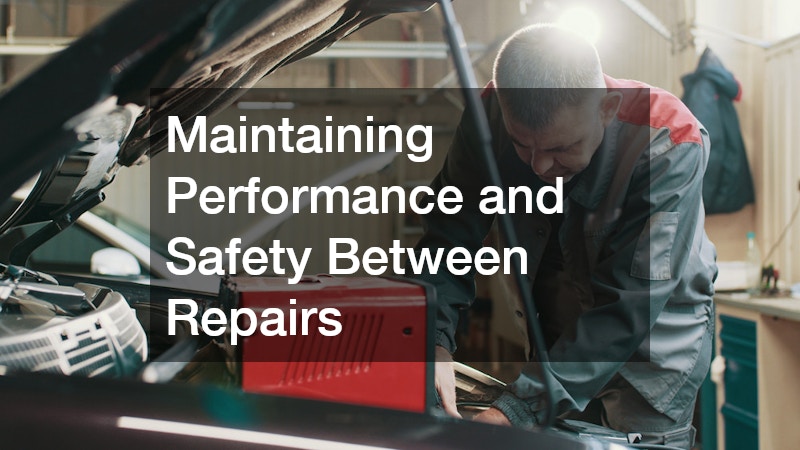
Maintaining Performance and Safety Between Repairs
Ongoing monitoring of your vehicle between service visits is essential for safety and reliability. Auto repair shops not only perform fixes but can also provide guidance on routine checks. Maintaining vigilance between professional appointments allows you to detect early warning signs, address minor issues before they escalate, and optimize your vehicle’s performance and longevity.
Daily and periodic performance checks:
-
Monitor warning lights: Engine, brake, or transmission indicators can signal early issues. Ignoring these alerts can result in more severe damage and costly repairs. Pay attention to dashboard lights, and consult your owner’s manual or a certified mechanic to determine the underlying cause.
-
Check fluids and tires: Regular inspections prevent mechanical failures. Engine oil, coolant, brake fluid, power steering fluid, and transmission fluid should be monitored consistently. Tire pressure and tread depth affect handling, braking, and fuel efficiency. Maintaining optimal levels and tire conditions improves safety and prolongs component life.
-
Listen for unusual sounds: Squeaks, knocks, or vibrations often precede major repairs. Strange noises can indicate problems with brakes, suspension, engine components, or exhaust systems. Early detection allows for timely intervention, reducing the risk of breakdowns on the road.
-
Record maintenance history: Keeping detailed logs helps mechanics identify recurring problems. Notes on oil changes, repairs, part replacements, and service dates create a clear picture of your vehicle’s history, assisting professionals in providing precise diagnoses.
Additionally, scheduling minor inspections with a trusted auto repair shop between major service intervals can help catch hidden issues such as loose belts, worn hoses, or minor leaks. Visual checks of lights, windshield wipers, and battery terminals also support safe operation. Adopting these habits not only reduces emergency repairs but also enhances reliability, fuel efficiency, and overall peace of mind for every journey.
Reliable vehicle maintenance requires a strategic approach that combines preventive care, specialized services, and informed decision-making. By selecting trustworthy repair shops, scheduling regular inspections, protecting your vehicle’s exterior, understanding insurance coverage, and preparing for accidents, owners can significantly extend the life and performance of their cars.
Whether managing a luxury vehicle, a used car, or a daily driver, proactive attention ensures safety, efficiency, and financial savings. Integrating routine checks, protective measures, and professional support allows drivers to avoid costly repairs, maintain comfort, and protect the value of their investment. Even small, overlooked issues—such as minor fluid leaks, worn brakes, or low tire pressure—can escalate into major problems if not addressed promptly. Regularly monitoring your vehicle and responding quickly to warning signs prevents downtime and improves long-term reliability.
Through thoughtful planning, consistent upkeep, and collaboration with qualified experts, maintaining a vehicle becomes not just a necessity but a manageable and rewarding aspect of responsible ownership. Combining maintenance routines with periodic professional inspections, protective treatments, and informed decisions about parts or repairs ensures that every journey is safer, smoother, and more enjoyable while preserving your vehicle for years to come.