
Purchasing a vehicle is one of the largest financial commitments most people make. Yet, far too many drivers treat routine vehicle care as an optional annoyance rather than an essential habit. A modern automobile is a complex machine consisting of thousands of interconnected components operating under extreme heat, intense pressure, and constant mechanical friction. When a single part begins to fail, it rarely affects just that isolated component; instead, it puts strain on surrounding systems, starting a chain reaction of mechanical wear.
A tiny oil leak left unaddressed can lead to engine seizure. Ignoring a faint squeak when applying the brakes can turn a simple pad swap into a complete overhaul of your rotors and calipers. Failing to clear road salt from your undercarriage can quietly rot structural panels until your vehicle becomes unsafe to drive. The difference between a vehicle that runs smoothly past 200,000 miles and one that becomes an expensive problem at 70,000 miles almost always comes down to simple, consistent preventative habits.
Adopting a proactive mindset toward vehicle care does not require you to be a master mechanic. By spending just a few minutes each month conducting basic checks, practicing gentle driving habits, and staying ahead of recommended service schedules, you can drastically reduce your long-term ownership costs. This comprehensive guide breaks down the essential maintenance habits every driver should master to protect their safety, extend their car’s operational lifespan, and keep thousands of dollars in their pocket.
Conducting Monthly Engine Oil Checks
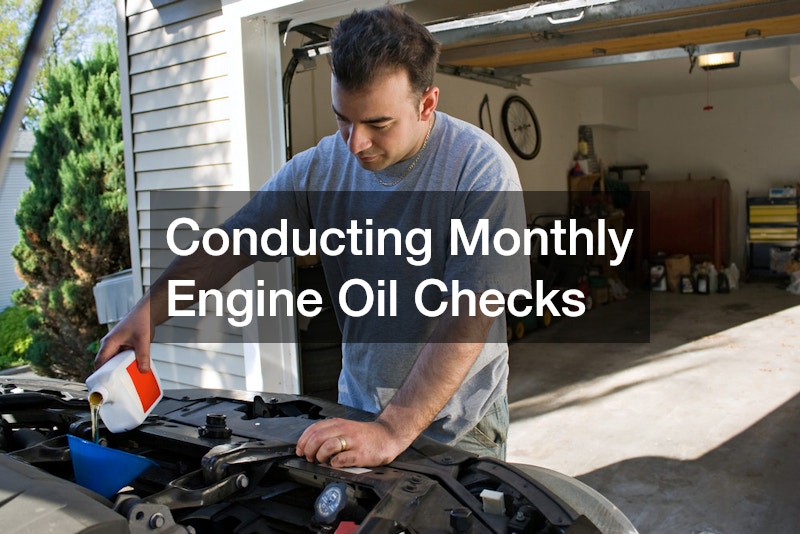
Engine oil is the single most critical fluid in your vehicle. It forms a microscopic barrier between metal surfaces—such as pistons, crankshafts, and camshafts—preventing destructive friction. Over time, heat, fuel contamination, and combustion byproducts degrade the oil’s viscosity and deplete its protective additives.
-
Check the Dipstick Monthly: Park your car on flat ground, shut off the engine, and wait five minutes for the oil to drain into the pan. Pull the dipstick out, wipe it clean with a cloth, reinsert it fully, and pull it out again. The oil level should fall firmly between the “Min” and “Max” indicators.
-
Observe Oil Color and Consistency: Fresh engine oil is amber and translucent. As it gathers soot and combustion debris, it naturally darkens. Dark brown oil is normal after a few thousand miles, but if the oil feels gritty between your fingers, smells burnt, or looks thick and sludgy, it needs immediate replacement.
-
Watch for Milkiness: If the oil on your dipstick resembles a creamy milkshake, coolant is mixing into your crankcase—often caused by a blown head gasket. Running an engine with contaminated oil can destroy internal bearings within miles.
-
Establish Realistic Intervals: While modern synthetic oils last longer than traditional conventional options, severe driving conditions like frequent short trips, stop-and-go city traffic, extreme hot or cold weather, and towing require more frequent filter and fluid changes.
Managing Transmission, Coolant, and Power Steering Fluids
While motor oil receives the most attention, other vital fluids require regular inspection to keep power delivery, cooling, and steering systems working properly.
Coolant, or antifreeze, regulates engine operating temperature. Inspect the translucent expansion tank under your hood when the engine is cold. The fluid level should sit between the cold fill lines. If you notice a sweet smell near the radiator grille or see bright green, orange, or pink puddles on your driveway, you have a leak. Running an engine without adequate coolant leads to rapid overheating, warped cylinder heads, and cracked engine blocks.
Brake fluid operates hydraulically, transferring physical pressure from your foot directly to the wheel calipers. Because brake fluid absorbs moisture from the air over time, water contamination lowers the boiling point of the fluid, causing a spongy pedal feel during hard stops while internal water vapor causes hidden corrosion inside metal brake lines.
When routine maintenance uncovers issues that exceed your DIY comfort level, establishing a relationship with trusted local mechanic shops ensures your vehicle receives expert evaluation. Entrusting complex diagnostic checks or internal flush procedures to a qualified facility prevents accidental system damage and ensures all necessary auto repairs are performed using proper technical procedures.
Maintaining Proper Tire Pressure and Tread Life
Tires naturally lose about one pound per square inch (PSI) of air pressure every month, with accelerated pressure drops occurring during cold weather snaps. Driving on underinflated or overinflated tires degrades handling performance and wastes fuel.
-
Check Pressure Cold: Measure tire pressure using a digital gauge before driving, as friction heats the air inside the tires and gives artificially high readings. Refer to the sticker on your driver’s door jamb—not the maximum pressure printed on the tire sidewall—for your vehicle’s correct PSI ratings.
-
Understand Underinflation Risks: Driving on underinflated tires causes the outer edges of the tread to contact the road excessively. This builds up severe heat, reduces fuel efficiency by increasing rolling resistance, and makes tires vulnerable to sidewall blowouts.
-
Prevent Overinflation Damage: Overinflated tires bulge at the center, causing rapid tread wear down the middle of the tire while creating a harsh ride and reducing traction on wet roads.
-
Perform Monthly Tread Inspections: Insert a penny upside down into the tread grooves with Lincoln’s head facing you. If you can see the top of Lincoln’s head, your tread depth is below 2/32 of an inch and the tire must be replaced to prevent hydroplaning on wet surfaces.
-
Rotate Tires Regularly: Front tires wear much faster than rear tires due to steering forces and front-wheel drive power delivery. Rotating your tires every 5,000 to 7,500 miles ensures even tread loss across all four tires, extending their overall usable life.
Spotting Early Warning Signs in the Braking System
Brake components wear down gradually, making it easy for drivers to become accustomed to declining stopping performance. Paying attention to early auditory and tactile warnings helps you catch minor issues before they require expensive mechanical intervention.
Listen closely when coming to a stop. Most brake pads feature built-in metal wear indicators—small spring-steel tabs that produce a high-pitched squeal against the rotor surface when the pad material wears down to roughly 2 to 3 millimeters. If you ignore this squeal, the pad material will wear away completely, leading to a harsh metal-on-metal grinding sound. Grinding destroys the smooth surface of the brake rotor instantly and can gouge the hydraulic caliper piston, turning a simple pad swap into a major overhaul.
Look through your wheel spokes periodically to inspect pad thickness visually. If the friction material appears thinner than a quarter, it is time for service. Additionally, pay attention to feedback through the steering wheel or brake pedal. A pulsing pedal or shaking steering wheel during deceleration indicates warped rotors or uneven friction material deposits.
When you notice reduced stopping responsiveness, scheduling timely brake repairs keeps your hydraulic calipers, pads, and rotors operating within factory safety parameters. Partnering with a reliable auto repair company ensures that worn suspension bushings, shocks, or tie-rod ends are identified before they cause severe tire cupping or alignment failure.
Catching Glass Chips Early and Protecting Clear Coat
Your car’s paint is not merely cosmetic; it is a seal designed to keep oxygen and moisture away from bare steel. Once rust sets in beneath the paint, it spreads invisibly, weakening structural panels and causing clear coats to bubble and peel.
-
Wash Away Road Contaminants: Wash your vehicle every two weeks using dedicated automotive soap—never household dish detergent, which strips away protective waxes and dries out rubber seals. Pay special attention to washing during the winter to remove corrosive road salt and de-icing chemicals.
-
Rinse the Undercarriage: Spray out the wheel wells and undercarriage thoroughly. Salt and damp mud trapped in lower frame rails create hidden rust pockets that can rot away brake lines, fuel tanks, and exhaust hangers.
-
Apply Protective Wax or Sealant: Apply a synthetic paint sealant or high-grade wax at least twice a year. This creates a sacrificial barrier that repels water, prevents sap and bug splatter from etching into the clear coat, and blocks harmful ultraviolet rays.
-
Address Glass Chips Immediately: Small stone chips on your windshield can expand into massive cracks when subjected to temperature shifts or road vibrations. Addressing minor impacts early prevents stress fractures from spreading across your line of sight.
Advanced Exterior Defense and Cosmetic Upkeep
Stone chips on the hood, front bumper, and front fenders are an inevitable part of highway driving. When a flying pebble punches through the paint down to the raw primer or steel, moisture instantly attacks the exposed metal, forming a tiny rust spot that can bubble outward under the surrounding paint.
Keep a bottle of factory-matched touch-up paint in your glove box. When you spot a fresh paint chip during your regular car wash, clean the area with rubbing alcohol, apply a tiny drop of primer if bare metal is visible, and carefully dab touch-up paint into the recess using a fine toothpick. Sealing the chip early prevents rust from establishing a foothold beneath adjacent paint layers.
Consider applying physical protective barriers across vulnerable front-end panels. Installing clear polyurethane shields or high-grade paint protection film across the front bumper, hood, and side mirrors acts as a durable shock absorber against road gravel and flying debris. When a flying rock impacts your windshield, arranging a prompt windshield repair bonds the glass layers together, restoring structural integrity without requiring a full glass replacement.
Defending Interior Upholstery and Cabin Electronics
The sun’s intense ultraviolet light and thermal heat cause dashboard plastics to dry out, warp, and crack, while fading fabric seats and causing leather upholstery to split along seam lines.
Whenever you park outdoors, use a reflective folding sunshade across your windshield. This simple habit drops interior cabin temperatures significantly and shields your dashboard, steering wheel, and front seats from direct solar radiation. Clean interior plastics using soft microfiber towels and UV-inhibiting interior detailers that leave a non-greasy matte finish.
For leather seating, clean surfaces regularly with a balanced leather cleaner to lift dirt from open pores, then apply a rich leather conditioner every three to six months. This restores natural oils, keeping the leather supple and resistant to cracking under heavy use. Furthermore, replace your cabin air filter annually to keep dust out of the blower motor and ensure your heating and cooling controls function efficiently.
Solar Heat Reduction and Aesthetic Modifications
Parking lots are full of hazards: runaway shopping carts, tight concrete pillars, and careless drivers opening doors directly into your side panels. While minor door dings might seem purely cosmetic, ignoring them can lead to long-term issues. A deep scratch that breaches the primer layer allows water to collect between the metal substrate and the paint matrix, eventually causing paint flakes to detach from the panel.
Furthermore, minor impacts that cause bumper covers to misalign can dislodge hidden radar sensors, ultrasonic parking aids, and blind-spot monitoring modules mounted beneath the plastic skin. Addressing these cosmetic dings promptly protects both the visual appeal and electronic safety systems of your vehicle.
To reduce interior heat buildup and shield passengers from harsh glare, consulting a professional auto tinting company allows you to install high-performance solar films that block damaging UV rays. When minor collisions, deep scratches, or parking lot dents compromise your vehicle’s exterior panels, seeking qualified auto body services ensures damaged metal is straightened, sealed, and painted using factory-matched finishes.
Preparing for Roadside Emergencies and Breakdown Logistics
Building basic emergency readiness into your maintenance routine ensures you are never stranded helpless on a dark highway shoulder.
Keep a well-stocked emergency kit in your trunk at all times. This kit should include heavy-duty jumper cables or a portable lithium jump-starter pack, a compact digital tire inflator, a reliable flashlight with extra batteries, basic hand tools (such as screwdrivers, pliers, and an adjustable wrench), a reflective safety vest, and basic first-aid supplies. Check the air pressure in your spare tire twice a year; a flat spare tire is completely useless during a roadside emergency.
Understand the limitations of your vehicle when a mechanical failure occurs. If an engine oil pressure light illuminates, or if your coolant temperature gauge spikes into the red zone, pull over safely and shut off the engine immediately. Continuing to drive even a few hundred yards with zero oil pressure or an overheated engine will cause permanent metal welding inside the motor, turning a repairable leak into a total engine replacement.
When severe mechanical failure occurs on the highway, calling a reliable towing service prevents further drivetrain damage by transferring your vehicle safely on a flatbed transport. Relying on a professional local towing company guarantees that your car is handled carefully and delivered directly to a repair facility without causing additional frame or bumper stress.
Building Long-Term Relationships with Service Providers
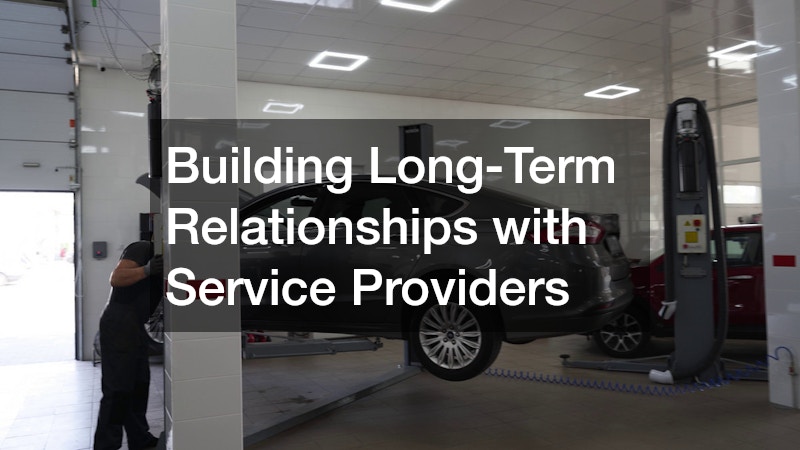
Knowing your personal limits as a home mechanic is a key aspect of budget-friendly vehicle ownership. While checking fluid levels, replacing wiper blades, swapping air filters, and inspecting tire pressure are easy DIY tasks, attempting complex mechanical repairs without proper tools or technical training can lead to safety hazards and inflated repair bills.
Never attempt major repairs on critical safety systems unless you have the proper workspace, jack stands, torque wrenches, and technical manuals. Working beneath a car supported only by a temporary tire jack is extremely dangerous, and overtightening suspension bolts or under-torquing wheel lug nuts can cause mechanical failure on the highway.
Establish a relationship with a trustworthy, certified repair facility before an emergency occurs. Ask friends for recommendations, read customer reviews, and look for technicians certified by recognized automotive standards bodies. A good mechanic acts as a partner in your preventative care strategy, offering honest assessments on which components need immediate replacement and which items can safely wait until the next service window.
Always keep an organized folder or digital record of every receipt, fluid purchase, tire rotation, and professional repair service. A comprehensive maintenance log proves to prospective buyers that your car was impeccably maintained, allowing you to command top market value when it comes time to sell or trade in your vehicle.
Preventative vehicle care is not about spending endless hours under the hood or throwing money away on unnecessary services. It is about building simple, repeatable habits that keep small issues from growing into financial headaches. Taking a few moments each month to check fluid levels, inspect tire tread, listen for unusual noises, and clean off environmental contaminants pays massive dividends over your vehicle’s lifespan.
By taking an active role in your car’s upkeep, you build a deeper understanding of its mechanical health, improve your safety on the road, and keep your vehicle operating smoothly. Start small today: check your tire pressure, pull your dipstick, inspect your wiper blades, and begin building the basic preventative habits that will save you thousands over your driving lifetime.