
Owning a vehicle often feels straightforward at first. You drive it, fuel it, and take it in when something goes wrong. Over time, though, many drivers realize that this reactive approach leads to higher costs, more stress, and unexpected breakdowns. Vehicles are complex systems, and they perform best when care is consistent and proactive rather than occasional and rushed.
A complete care mindset looks beyond immediate problems. It connects everyday awareness, routine upkeep, cosmetic attention, and long-term protection into a single strategy. When these elements work together, vehicles tend to last longer, perform more reliably, and maintain their value better over time. Instead of reacting to issues as they appear, drivers begin anticipating needs and preventing problems before they interrupt daily life.
This guide is designed to help drivers understand that bigger picture. Each section focuses on a specific aspect of ownership and explains why it matters, what to watch for, and how small habits can prevent larger problems. Whether you rely heavily on professionals or handle basic tasks yourself, this approach helps you make informed decisions, plan with confidence, and avoid common pitfalls that shorten a vehicle’s lifespan or increase long-term expenses.
Paying Attention to Early Warning Signs

Vehicles rarely stop working without giving hints first. Subtle changes often appear days or even weeks before a serious issue develops. Your auto communicates through sounds, vibrations, and performance changes, and learning to notice those signals can save time and money.
Drivers commonly dismiss early symptoms because the vehicle still runs. However, delays often allow minor issues to spread into multiple systems. Addressing concerns early through proper auto repair keeps problems isolated and easier to manage.
Early warning signs to watch for include:
-
New noises during braking, turning, or idling
-
Slight delays when accelerating or shifting
-
Vibrations that were not present before
-
Warning lights that turn on intermittently
In addition to physical signs, changes in driving confidence matter too. If a vehicle suddenly feels less predictable or harder to control, that feeling is worth taking seriously. Trusting instincts, even when issues seem minor, often prevents long-term damage. Early action also gives drivers more flexibility, allowing them to schedule service at a convenient time instead of reacting during an emergency.
Building a Maintenance Routine That Works Long Term
Good maintenance is less about perfection and more about consistency. A simple routine keeps care predictable and prevents tasks from being forgotten. When upkeep becomes part of normal life, your auto remains dependable without constant attention.
A sustainable routine usually blends time-based and mileage-based care. Monthly visual checks catch obvious issues, while scheduled service appointments handle deeper inspections. Written or digital records make it easier to track what has already been done.
A realistic routine might include:
-
Monthly tire pressure and fluid checks
-
Seasonal inspections before weather changes
-
Reviewing service history before long trips
-
Addressing minor issues instead of postponing them
Beyond the checklist, routines also reduce decision fatigue. Drivers no longer have to guess what needs attention because the process is already in place. This structure helps avoid skipped services and last-minute scrambling. Over time, a predictable routine creates confidence, reduces ownership stress, and supports smoother day-to-day performance without requiring constant thought or effort.
Handling Exterior Damage Before It Escalates
Exterior damage often seems harmless at first. Small dents, scratches, or paint chips may not affect how a vehicle drives, but they can create long-term problems if ignored. Exposure to moisture and debris can cause corrosion beneath the surface.
An experienced auto body shop can assess whether damage is purely cosmetic or if it affects structural components. Early intervention typically costs less and prevents deterioration from spreading.
Situations that should not be ignored include:
-
Scratches that expose bare metal
-
Dents near seams, doors, or wheel wells
-
Paint that bubbles or peels unexpectedly
Beyond appearance, exterior damage can also affect seals and alignment. Misaligned panels may allow water intrusion or increase wind noise over time. Addressing damage early keeps protective layers intact and helps preserve overall integrity. Taking action sooner also prevents small imperfections from turning into larger, more noticeable issues that are harder to repair discreetly.
Protecting Clear Visibility and Structural Safety

Clear visibility is essential for safe driving. Small chips or cracks may seem minor, but they weaken windows and can expand quickly. Damage to auto glass often worsens due to temperature changes, road vibrations, or additional impacts, especially during seasonal shifts. What starts as a barely noticeable flaw can turn into a serious obstruction in a short amount of time.
Early repairs can prevent full replacement and reduce the risk of sudden failure. Many minor issues are repairable if handled promptly, which saves both time and money. Waiting too long often limits repair options and increases the chance that damage will spread across the surface.
Warning signs that deserve attention include:
-
Chips near the edges of windows
-
Cracks that lengthen after weather changes
-
Distortion that affects visibility
-
Whistling or rattling sounds at highway speeds
Beyond safety, visibility issues also affect comfort and concentration. Straining to see clearly can lead to eye fatigue, headaches, and slower reaction times, particularly at night or in heavy traffic. Glare from oncoming lights or sunlight can become more intense when glass is damaged, making driving more stressful than it needs to be. Keeping windows clear and structurally sound supports not only safer driving conditions but also a calmer, more focused experience behind the wheel.
Keeping Temperature Control Reliable Year-Round
Comfort affects more than convenience. Extreme temperatures can impact focus, reaction time, and overall driving safety. Climate systems work hardest during seasonal extremes, which is why early attention matters.
Delaying ac repairs often leads to bigger issues, especially during heat waves when systems are under constant strain. Weak airflow, uneven cooling, or unusual smells are all signs that something is not working as it should.
Preventive steps include:
-
Running the system periodically year-round
-
Scheduling inspections before peak seasons
-
Addressing performance changes early
Consistent care also prevents strain on related components. When climate systems struggle, other systems may compensate, increasing overall wear. Staying ahead of maintenance ensures comfort during daily commutes and avoids inconvenient failures during travel, especially when temperatures are at their most demanding.
What to Do If a Breakdown Happens
Even with preparations and extensive care, breakdowns can still happen. If a breakdown does happen, knowing what to do in the moment can make a stressful situation much safer and easier to manage.
Prioritize safety first
-
Move the vehicle to the shoulder or a safe, visible area if possible
-
Turn on hazard lights immediately
-
Stay inside the vehicle if traffic is heavy or conditions feel unsafe
-
If you must exit, stand well away from traffic and behind a guardrail if available
Assess the situation calmly
-
Take a moment to note what happened before the breakdown (sounds, warning lights, loss of power)
-
Check for obvious issues only if it’s safe to do so, such as a flat tire
-
Avoid trying to fix anything on a busy roadway
Know who to call
-
Have roadside assistance or emergency contact numbers saved in your phone so tow trucks can help you
-
If you’re in an unsafe location, contacting local authorities for traffic assistance may be appropriate
-
Provide clear details about your location and the issue when calling for help
Be prepared while waiting
-
Keep hazard lights on
-
Use reflective triangles or flares if you have them and conditions allow
-
Stay aware of your surroundings and keep doors locked if you’re inside the vehicle
Carry basic emergency supplies
-
Phone charger or power bank
-
Water and non-perishable snacks
-
Flashlight
-
First-aid kit
-
Warm clothing or blanket in colder months
After the situation is resolved
-
Make note of what happened and any symptoms leading up to the breakdown
-
Schedule a professional inspection even if the vehicle seems fine afterward
-
Address the root cause promptly to avoid repeat issues
The key takeaway is preparation. Breakdowns are less overwhelming when drivers already know what steps to take, who to contact, and how to stay safe while waiting for help. If you’d like, I can turn this into a short H3-style section that fits seamlessly into your article or expand it into a checklist-style sidebar.
Cleaning Habits That Support Long-Term Care
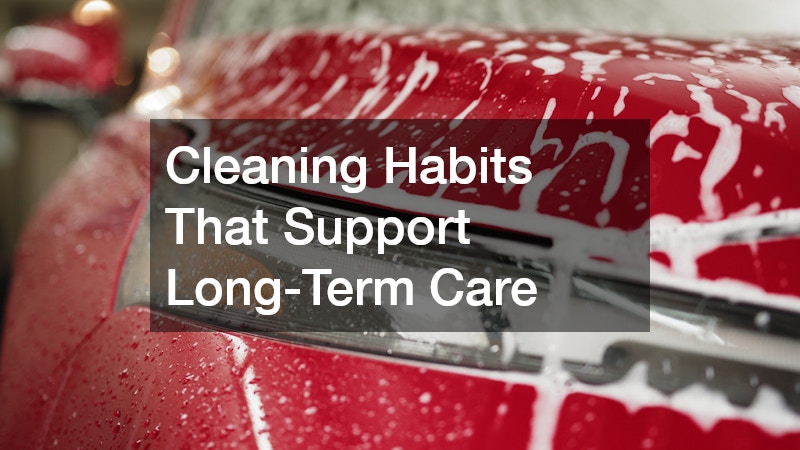
Clean vehicles last longer. Dirt, salt, and grime slowly wear down finishes and materials when left in place. A consistent car wash routine removes harmful buildup before it causes lasting damage.
Environmental conditions change throughout the year, making seasonal cleaning especially important. Winter road salt, spring pollen, and summer dust all affect surfaces differently.
Regular cleaning helps:
-
Protect paint and trim
-
Prevent corrosion in hidden areas
-
Maintain clear visibility
Beyond protection, cleaning also makes inspections easier. It is much simpler to spot leaks, cracks, or wear on a clean surface. Routine cleaning supports early detection, making it easier to address problems while they are still minor.
Deep Cleaning That Preserves Materials
Routine cleaning cannot reach everything. Professional auto detailing focuses on areas that are often overlooked, such as interior fabrics, vents, and tight seams. These services help preserve materials and maintain comfort.
Detailing also supports hygiene and air quality inside the vehicle. Removing trapped debris and moisture reduces odors and slows material breakdown.
Benefits of periodic deep cleaning include:
-
Longer-lasting upholstery and carpeting
-
Easier routine maintenance afterward
-
A more comfortable driving environment
Deep cleaning also restores surfaces that may appear worn but are simply dirty. This can significantly improve the look and feel of the interior without replacement. Over time, periodic deep cleaning helps maintain a like-new experience and supports long-term material durability.
Reducing Environmental Wear on Exterior Surfaces
Environmental exposure gradually degrades exterior finishes. Sunlight, moisture, and road debris all contribute to fading and surface wear. Auto paint protections create a barrier that reduces these effects and helps maintain a consistent appearance.
Protective coatings also simplify cleaning and reduce how easily dirt adheres to surfaces. Choosing the right solution depends on driving habits, climate, and storage conditions.
When protection is maintained properly, it significantly slows visible aging and surface damage. This added layer reduces daily wear and helps preserve appearance even under demanding conditions. Over time, protection minimizes cumulative damage that would otherwise require corrective work.
Improving Comfort While Protecting the Interior
Sunlight affects more than temperature. Prolonged exposure fades materials and increases interior wear. Window tinting helps regulate heat while reducing UV exposure that damages surfaces over time.
Drivers often notice immediate improvements in comfort, especially during warm weather. Reduced glare also improves visibility and reduces eye strain.
Common benefits include:
-
More consistent interior temperatures
-
Less fading of seats and trim
-
Improved comfort during long drives
Interior protection also supports long-term cleanliness. When materials are shielded from harsh exposure, they resist cracking and discoloration. This makes interior care easier and keeps the cabin looking better for longer periods.
Understanding How All Aspects of Care Work Together

Vehicle care is most effective when viewed as a system rather than a checklist. Maintenance, repairs, cleaning, and protection all influence one another. Neglecting one area often places extra strain on others.
For example, poor cleaning habits can accelerate surface damage, while ignored warning signs can turn minor issues into major repairs. When drivers understand these connections, they make smarter decisions and avoid reactive care.
Seeing care as a long-term strategy helps:
-
Reduce total ownership costs
-
Improve reliability and safety
-
Extend vehicle lifespan
This holistic mindset encourages consistency and prioritization. Instead of reacting to problems, drivers plan, balancing effort across all areas of care. The result is a smoother ownership experience and a vehicle that performs better over time.
Vehicle care works best when it is proactive, consistent, and informed. By paying attention to early signs, maintaining routines, and protecting surfaces and systems, drivers can avoid many common problems before they start. Each small habit contributes to better performance and fewer surprises.
A complete approach balances attention, preparation, and protection. When drivers understand how each aspect supports the others, ownership becomes simpler and more predictable. With the right mindset and habits, a vehicle can remain reliable, comfortable, and valuable for many years to come.