

Selling a vehicle in today’s competitive market requires more than just a “For Sale” sign and a prayer. With the rise of online marketplaces and instant history reports, buyers are more informed and more skeptical than they have ever been. To command a premium price, you must move beyond the mindset of a casual seller and adopt the mindset of a professional dealer. This means looking at your vehicle objectively, identifying its weaknesses, and strategically investing in the right areas to ensure a high return on investment.
The goal of a successful resale is to eliminate “friction” for the buyer. Friction is anything that gives a potential purchaser a reason to hesitate, haggle, or walk away. It could be a mysterious ticking sound under the hood, a spider-web crack in the corner of the glass, or a stack of missing service records. When you address these issues proactively, you aren’t just fixing a car; you are building trust. Trust is the most valuable currency in the used car market, and it is the primary factor that allows a seller to stick to their asking price during a negotiation.
This blog explains the deep-dive steps necessary to prep your car for the market. We will cover everything from the psychological impact of a clean engine bay to the financial logistics of repair sourcing. By the end of this guide, you will have a roadmap to transforming your daily driver into a high-value asset that stands out in a crowded marketplace.
Establishing Credibility Through Professional Documentation
When you present a thick folder of receipts from reputable auto repair shops, you are showing the buyer that the car was never neglected. These records act as a biography of the vehicle, showing exactly when the oil was changed, when the timing belt was replaced, and when the tires were rotated. Buyers are often willing to pay a 10% to 15% premium for a vehicle with a “full service history” because it significantly reduces the risk of catastrophic failure shortly after the purchase. Furthermore, having these documents organized chronologically shows a level of discipline that reassures the buyer that the vehicle wasn’t just fixed when it broke, but was maintained to prevent breakage in the first place.
Beyond just the big-ticket items, having a consistent relationship with a local mechanic adds a layer of personal accountability to the car’s history. It suggests that the vehicle was seen by the same set of eyes regularly, making it more likely that developing issues were caught before they became major problems. This type of “preventative” narrative is incredibly persuasive. It shifts the conversation from “What is wrong with this car?” to “Look how well this car has been maintained.” In many cases, a buyer might even ask for the contact information of the technician to verify the car’s health, and having a ready answer builds immense rapport during the sale process.
Mechanical Reconditioning and the Pre-Purchase Inspection
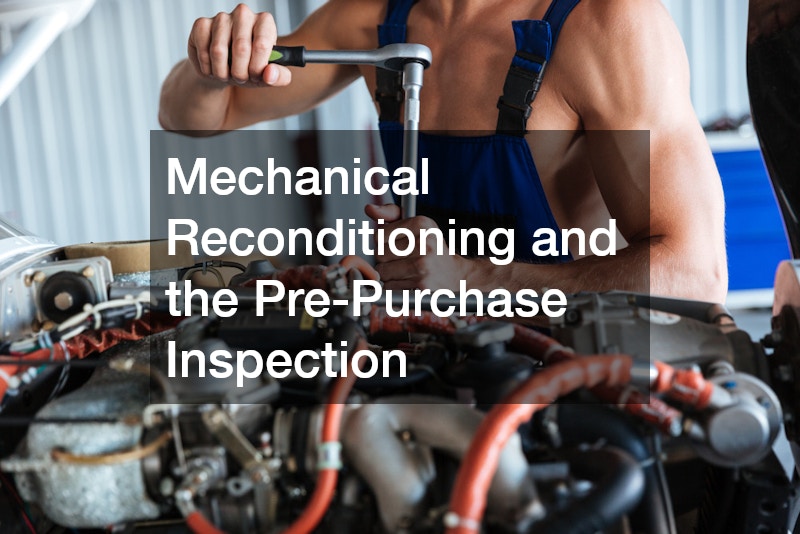
Before a buyer ever sits in the driver’s seat, they are looking for red flags. A “Check Engine” light is the ultimate deal-killer, but even smaller issues like a squeaky belt or a soft brake pedal can lead to heavy price negotiations. To prevent this, you should perform a comprehensive mechanical audit of the vehicle. This stage is about identifying the difference between a minor nuisance and a deal-breaking mechanical failure.
Start by taking the car to your trusted local car mechanic for a “pre-sale inspection.” This is a small investment that pays massive dividends. By paying a professional to find the flaws before the buyer does, you give yourself the power of choice. You can decide which repairs are worth making to increase the value and which ones you should simply disclose to the buyer. Disclosure, backed by a professional quote, is a powerful tool in negotiation; it prevents the buyer from overestimating the cost of a repair to beat you down on price. It also demonstrates a level of honesty that is rare in the private party market, often making the buyer feel more comfortable with the overall transaction.
General auto repair tasks—such as replacing worn spark plugs, flushing the coolant, or swapping out a dying battery—should be handled before the car is listed. A car that starts instantly, idles smoothly, and stops confidently creates an emotional connection with the buyer during the test drive. If the mechanical vitals are strong, the buyer begins to “own” the car in their mind, making them much more likely to meet your asking price without a fight. Remember, the test drive is the “audition” for the vehicle; any stutter or odd vibration during this phase will be magnified in the buyer’s mind as a sign of impending doom.
Enhancing Curb Appeal and Body Integrity

We are often told not to judge a book by its cover, but in the automotive world, the “cover” is everything. Exterior damage is the most visible sign of how a car has been treated. If a buyer sees a dented door or a mangled plastic trim piece, they will naturally assume the mechanical components have been treated with the same level of indifference. High-quality photography can hide some flaws, but once the buyer stands next to the car, the truth is revealed.
For structural or paint-related issues, it is worth visiting professional auto body shops to get an estimate. While some deep restorative work might be too expensive to justify, many shops offer “retail-ready” services designed to fix minor dings and paint chips for a fraction of the cost of a full restoration. A car that shines under the sun and has straight body lines will always attract more clicks on a listing than one that looks like it has been through a war zone. Modern paint correction techniques can also remove swirls and light scratches, making an older paint job look factory-fresh.
Focus specifically on the high-impact areas, such as the nose and the corners of the vehicle. A professional bumper repair can strip years off a car’s appearance. Plastic bumpers often accumulate “spider-web” cracks in the paint or scuffs from parallel parking. Fixing these eyesores is a high-impact, relatively low-cost way to make the car look “freshened up.” When the exterior looks crisp, it signals to the buyer that the car was owned by someone who took pride in their property, which indirectly boosts their confidence in the hidden mechanical parts of the vehicle.
Restoring Glass Quality and Driver Visibility

The condition of the glass is often overlooked by sellers, but it is one of the first things a buyer notices when they sit in the cockpit. Pitted, scratched, or cracked glass not only looks bad but can also be a safety hazard that prevents a vehicle from passing a state inspection. From the driver’s perspective, the windshield is the lens through which they view the road; if that lens is flawed, the entire car feels “used” and worn out.
If you have a small chip in your field of vision, a quick windshield repair is an absolute necessity. Most modern buyers are aware that a small chip can turn into a massive crack with a single temperature change, and they will use that potential future expense as a reason to drop their offer by hundreds of dollars. Fixing it yourself—or having a professional resin-inject the chip—removes that leverage from the buyer’s hands and restores the structural integrity of the glass. It is a small detail that shows you have attended to the vehicle’s needs with precision.
For older vehicles, the glass can often become “pitted” from years of sand and road debris, which causes a glare at night. Seeking out specialized auto glass repairs to polish the glass or replace seals can make the car feel significantly newer. Clear, clean windows allow more light into the interior, making the cabin feel larger and cleaner. It is a subtle psychological trick that makes the entire driving experience feel more “premium.” Additionally, ensuring that the rear window defrosting elements are intact and the side mirrors are free of cracks further reinforces the safety and readiness of the car.
Strategic Sourcing and Financial Management
As you prepare the car, you must be careful not to over-capitalize. You want to spend money only where it will return more than its cost. This requires some savvy shopping and a bit of financial planning regarding how you handle the refurbishing process. The goal is to maximize the “perceived value” without necessarily spending thousands of dollars on parts that won’t move the needle on the final sales price.
For example, if the car needs a specific non-mechanical component—like a side-view mirror that was clipped or a tail-light housing that is cracked—you don’t always need to buy brand-new parts from the dealership. Sourcing a high-quality used auto part from a reputable recycler can save you 50% to 70% on the repair cost while achieving the exact same visual result. This allows you to fix more “small things” without blowing your budget, leading to a much more complete-looking vehicle. This is particularly effective for interior components like sun visors or center console lids that often wear out but are simple to replace.
Additionally, consider the timing of your sale in relation to your auto insurance policy. If the vehicle was recently involved in a minor incident that resulted in a claimable dent or glass break, it is often better to have the insurance company handle the repair before you list the car. While a claim might appear on a history report, a “fully repaired” status is much better than “unrepaired damage.” Buyers are generally okay with past repairs as long as they were done correctly and the car is currently in top-tier condition. Properly managing these financial aspects ensures that the profit from the sale stays in your pocket rather than being swallowed by the costs of preparation.
Deep Cleaning and Interior Sanitization

The interior of the car is where the buyer will spend the most time, and it is where the emotional connection is truly solidified. A car that looks great on the outside but smells like stale coffee or wet dog on the inside will fail to sell for a premium price. The “new car smell” might be hard to replicate, but a “clean car smell” is non-negotiable.
Begin with a deep extraction of the carpets and upholstery. This removes years of embedded dirt and allergens that contribute to that “old car” musk. Pay special attention to high-touch areas: the steering wheel, gear shifter, and door handles. Over time, these surfaces accumulate oils from skin that make them look shiny and greasy. Using a dedicated interior cleaner to restore a matte, factory-like finish to these surfaces makes a world of difference. If your leather seats are cracked or faded, consider using a conditioner or a color-matched dye kit to bring back their luster.
Don’t forget the details that most people miss, such as the seatbelt webbing, the headliner, and the door jambs. A buyer will notice if the door jambs are covered in grease and dirt when they climb in for a test drive. Cleaning these hidden areas signals that the car was loved in its entirety, not just where it was visible. Finally, ensure all electronics—the radio, the air conditioning, the heated seats, and the power windows—are functioning perfectly. If a small fuse is blown, fix it. You want the buyer to feel that every single feature of the car is ready for immediate use.
Finalizing the Transaction for Long-Term Success
The journey from a used vehicle to a sold asset is one of attention to detail and strategic investment. By following these steps, you have transformed your car into a standout option that justifies a higher price point. You aren’t just selling a mode of transportation; you are selling peace of mind, reliability, and a history of care. The work you put in now prevents headaches during the negotiation phase and ensures that both parties walk away satisfied with the deal.
When the right buyer arrives, your preparation will speak for itself. You won’t need to resort to high-pressure sales tactics because the quality of the car, the clarity of the glass, and the depth of the service records will do the talking for you. A successful sale is the natural result of a well-executed preparation strategy. Take pride in the process, and you will find that the market rewards your efforts with a fast, fair, and profitable transaction. By treating your car like a valuable product rather than an old possession, you set the stage for a premium resale experience.