

Building Habits That Protect Performance and Value

A vehicle can continue to feel smooth, dependable, and comfortable long after it leaves the dealership, but that outcome rarely happens by accident. It usually comes from consistent maintenance, careful driving, and a willingness to address small problems before they become expensive ones. Drivers who pay attention to routine care often enjoy better fuel efficiency, fewer breakdowns, stronger resale value, and greater confidence behind the wheel.
Keeping a vehicle in excellent condition does not require advanced mechanical knowledge. What matters most is understanding the basic systems that need attention, following the manufacturer’s recommendations, and noticing changes in how the vehicle sounds, feels, or responds. Warning lights, unusual odors, sluggish acceleration, fluid spots, and changes in steering should never be ignored.
It is also helpful to view maintenance as an ongoing schedule rather than a series of emergencies. Some tasks are based on mileage, while others depend on time, driving conditions, or seasonal changes. Stop-and-go traffic, short trips, extreme heat, freezing temperatures, dusty roads, and heavy towing can all increase wear. By building practical habits around inspections, cleanliness, documentation, and timely service, drivers can protect both the mechanical condition and overall appearance of their vehicles.
Follow a Reliable Maintenance Schedule
Routine maintenance is the foundation of long-term vehicle reliability. Every vehicle comes with a recommended service schedule that explains when fluids, filters, belts, spark plugs, and other components should be checked or replaced. Drivers should consult the owner’s manual rather than relying only on general mileage rules because maintenance intervals can vary by make, model, engine, and driving conditions.
One of the most important routine services is a car oil change. Engine oil lubricates moving parts, reduces friction, helps control heat, and carries contaminants toward the filter. As oil ages, it can lose its protective qualities and become less effective. Waiting too long between service appointments may contribute to sludge buildup, overheating, or premature engine wear. Drivers should follow the manufacturer’s interval and use the recommended oil type and viscosity.
Oil is only one of several fluids that deserve attention. Coolant helps regulate engine temperature, brake fluid supports stopping performance, transmission fluid protects gears and internal parts, and power steering fluid assists with smooth control in vehicles that use hydraulic systems. Windshield washer fluid also matters because clear visibility is essential during rain, snow, and road spray.
Filters play an equally important role. The engine air filter keeps dirt and debris from entering the engine, while the cabin air filter improves the quality of air entering the passenger area. A clogged engine filter can restrict airflow and affect performance. A dirty cabin filter may reduce heating and cooling efficiency or create unpleasant odors.
Preventive auto repair should also include inspections of belts, hoses, the battery, tires, suspension parts, and exhaust components. Rubber parts may crack with age, even when a vehicle is driven infrequently. Battery terminals can corrode, and tire tread can wear unevenly when alignment or inflation is neglected.
Keeping written or digital service records makes maintenance easier to manage. Record dates, mileage, parts used, and recommended follow-up work. Organized records help prevent missed services, reduce duplicate work, and provide useful information when selling the vehicle. They also make it easier for a technician to identify patterns, recurring problems, or maintenance gaps.
Respond Quickly to Changes in Performance
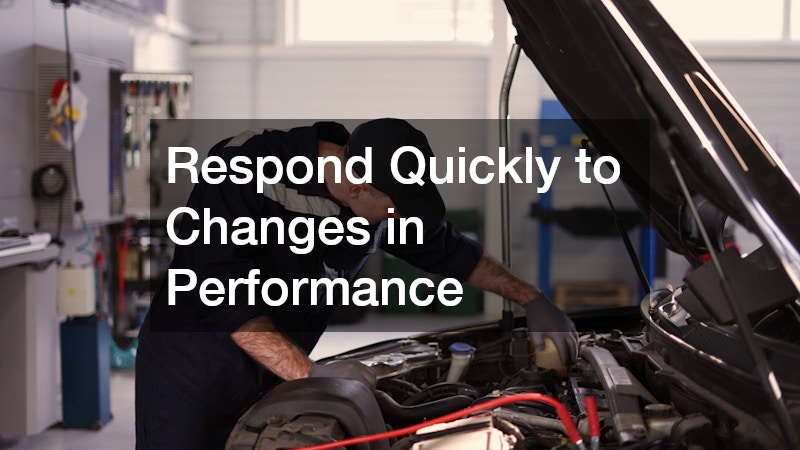
Vehicles often provide early warning signs before a major failure occurs. Drivers who notice those signs and respond promptly can prevent additional damage. The key is paying attention to changes in sound, smell, movement, and dashboard indicators.
A check engine light should not automatically cause panic, but it should not be ignored. A steady light may indicate an emissions, ignition, sensor, or fuel-system issue. A flashing light can signal a more serious problem that may damage the engine or catalytic converter. Other dashboard warnings related to oil pressure, temperature, charging, or braking may require immediate attention.
Unusual noises can also reveal developing problems. Squealing may come from a worn belt, brake component, or pulley. Knocking or tapping from the engine may point to lubrication or combustion issues. Grinding sounds can indicate metal-on-metal contact. Humming, roaring, or clicking that changes with speed may be related to a wheel bearing, tire, axle, or drivetrain component.
An experienced auto mechanic can use diagnostic equipment, visual inspections, and road testing to determine the cause. Drivers should describe symptoms as clearly as possible. Helpful details include when the problem occurs, whether the engine is hot or cold, how fast the vehicle is moving, and whether the issue appears during braking, turning, accelerating, or idling.
Leaks should also be investigated. Clear water under the vehicle may simply be condensation from the air conditioning system, but dark oil, bright coolant, reddish transmission fluid, or clear brake fluid can indicate a problem. A sweet smell may suggest coolant, while a burnt odor can point to overheated brakes, oil, or electrical components.
Changes in steering or ride quality deserve attention as well. Pulling to one side may result from low tire pressure, uneven wear, alignment problems, or suspension damage. Excessive bouncing can suggest worn shocks or struts. Steering vibration may be caused by tires, wheels, brakes, or suspension parts.
Delaying car repair can allow a small problem to affect other systems. A minor coolant leak may eventually lead to overheating. A damaged wheel bearing can affect handling and create additional wear. A weak battery can place stress on the charging system. Fast action often gives drivers more repair options and helps reduce the chance of being stranded.
Maintain Safe and Predictable Stopping Power
The braking system is one of the most important safety systems on any vehicle. It must respond consistently in traffic, poor weather, and emergency situations. Because brake parts wear gradually, drivers may become accustomed to declining performance without realizing how much stopping ability has been lost.
Common warning signs include squealing, grinding, pulsation, pulling, or a brake pedal that feels soft or unusually firm. A burning smell after braking may indicate overheating. A dashboard warning light may also appear when fluid is low, pads are worn, or the electronic system detects a fault.
Brake pads are designed to wear down over time. Their lifespan depends on driving style, vehicle weight, road conditions, and pad material. Drivers who frequently travel in heavy traffic, descend steep hills, tow trailers, or brake aggressively may need service sooner. Smooth acceleration and early, gradual braking can help reduce wear.
Auto brake replacement may involve more than installing new pads. Rotors must be inspected for grooves, heat damage, warping, and thickness. Calipers should move correctly, and hardware should be cleaned or replaced as needed. In some cases, rotors can be resurfaced, while in others they must be replaced. The correct approach depends on their condition and the manufacturer’s specifications.
Brake fluid is another important part of the system. It transfers force from the pedal to the braking components. Over time, it can absorb moisture, which may reduce performance and contribute to corrosion. Drivers should follow the recommended service interval and have leaks investigated immediately.
Routine brake repair should also include checking hoses, lines, parking brake components, and electronic sensors. Vehicles with anti-lock systems may require specialized diagnostics when warning lights appear. Hybrid and electric vehicles may use regenerative braking, but they still rely on traditional friction components that require inspection.
Drivers should not wait until grinding begins. Grinding often means the pad material has worn away and metal is contacting the rotor. At that stage, repairs may become more expensive and stopping performance may be compromised. Regular inspections during tire rotations or seasonal service visits make it easier to catch wear early.
Before a long trip, drivers should pay special attention to braking behavior. A vehicle carrying passengers, luggage, or a trailer may require more distance to stop. Addressing concerns before departure improves safety and reduces the risk of a roadside problem far from home.
Protect the Interior and Exterior Surfaces
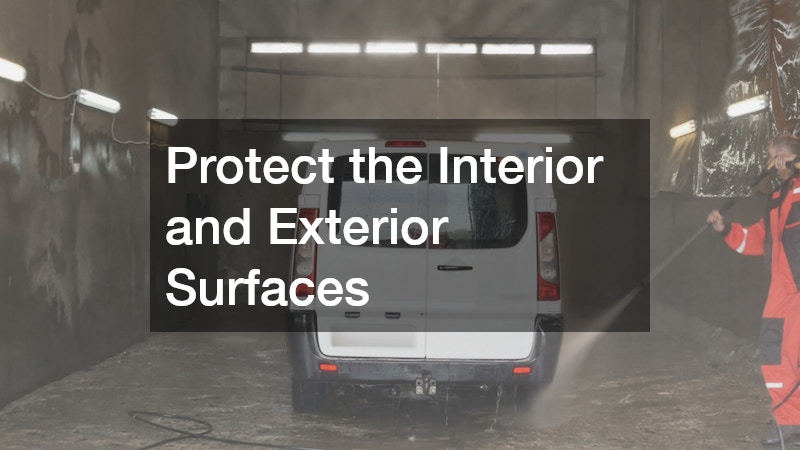
Mechanical care keeps a vehicle operating properly, but appearance also affects comfort, pride of ownership, and resale value. Dirt, sunlight, road salt, moisture, bird droppings, tree sap, and spilled drinks can cause lasting damage when left untreated.
Regular washing removes contaminants that can damage paint and metal surfaces. Drivers should pay attention to wheel wells, rocker panels, lower doors, and the underbody, especially in areas where salt or chemical deicers are used. These materials can accelerate corrosion if they remain on the vehicle.
Auto detailing goes beyond a basic wash. It may include deep interior cleaning, paint decontamination, polishing, waxing, headlight restoration, and treatment of leather, vinyl, or fabric. Professional cleaning can be especially useful after winter, before selling a vehicle, or when stains and odors are difficult to remove.
Wax, sealant, or another protective coating creates a barrier between the paint and environmental contaminants. The right product and application schedule depend on climate, storage, and how often the vehicle is washed. Drivers should avoid abrasive cleaners and rough materials that can create swirl marks.
Interior care is just as important. Vacuuming removes grit that can wear carpet fibers and seat materials. Spills should be cleaned promptly to prevent staining and odors. Leather surfaces may need conditioning, while dashboard and trim materials benefit from products designed to resist ultraviolet damage.
Small exterior damage should not be ignored. Scratches that expose bare metal can allow moisture to reach the underlying surface. Dents, chipped paint, cracked trim, and damaged protective coatings may worsen over time. An auto body service can assess whether a problem requires paintless dent removal, touch-up work, refinishing, panel repair, or corrosion treatment.
Drivers should also inspect lights, mirrors, glass, and weather seals. Cloudy headlights can reduce visibility, while cracked seals may allow water into the cabin. Windshield chips can spread due to vibration and temperature changes. Addressing cosmetic and structural concerns early helps preserve both appearance and function.
Parking habits also make a difference. Whenever practical, use covered parking or a garage. Avoid parking under trees that drop sap or branches. Use sunshades to reduce interior heat, and leave enough space between vehicles to reduce the risk of door dings.
Prepare for Emergencies Before They Happen
Even a well-maintained vehicle can be involved in an accident, experience a flat tire, suffer a dead battery, or become inaccessible because of a lost key. Preparation reduces stress and helps drivers respond safely.
Start by reviewing auto insurance coverage at least once a year or after major life changes. Drivers should understand liability limits, deductibles, collision coverage, comprehensive coverage, rental reimbursement, roadside assistance, and uninsured motorist protection. Coverage needs may change when a vehicle is paid off, a new driver is added, or the vehicle’s value changes.
Keep proof of coverage, registration, roadside contact information, and emergency phone numbers in an accessible location. Digital copies can be helpful, but drivers should also consider what would happen if their phone were damaged or had no power.
A roadside kit should include a flashlight, reflective triangles, jumper cables or a battery pack, gloves, basic tools, drinking water, a first-aid kit, and a tire pressure gauge. Seasonal supplies may include blankets, an ice scraper, traction material, rain gear, or additional water. Drivers should inspect the kit periodically and replace expired items.
Tire emergencies are common, so drivers should know whether their vehicle has a spare tire, sealant kit, or run-flat tires. A spare is only useful when it is properly inflated and the jack and lug wrench are present. Drivers who are not comfortable changing a tire should know how to contact roadside assistance.
Key-related problems can also be disruptive. Modern keys may contain transponders, remote functions, or proximity sensors. A qualified auto locksmith may be able to unlock the vehicle, cut a replacement key, program a fob, or repair an ignition issue. Drivers should store the contact information for a trusted provider before an emergency occurs.
Keep a spare key in a secure location that is not inside the vehicle. Avoid magnetic boxes placed under the car, where keys can be lost or stolen. It may be helpful to give a spare to a trusted household member or keep it in a secure home location.
After an accident, move to safety when possible, call emergency services if needed, and document the scene. Photograph vehicle damage, road conditions, license plates, and relevant signs. Exchange information without arguing about fault. Preparation helps drivers remain calm and complete the necessary steps.
Preserving Reliability for the Road Ahead

Keeping a vehicle in excellent condition is the result of steady attention rather than one major service appointment. Drivers who follow recommended schedules, monitor changes in performance, maintain safe stopping systems, protect interior and exterior surfaces, and prepare for emergencies are more likely to avoid preventable problems.
The most useful habit is responding early. A strange sound, warning light, vibration, leak, or change in handling may seem minor at first, but quick action can prevent additional damage. Routine inspections also give drivers a chance to plan expenses rather than facing unexpected failures.
Good driving habits support every maintenance effort. Smooth acceleration, gradual braking, proper tire inflation, and reduced idling can limit unnecessary wear. Keeping records and reviewing the owner’s manual make it easier to stay organized.
A well-cared-for vehicle can remain comfortable, dependable, and valuable for many years. By treating maintenance as an ongoing responsibility, drivers can enjoy better performance, greater safety, and fewer surprises every time they get behind the wheel.