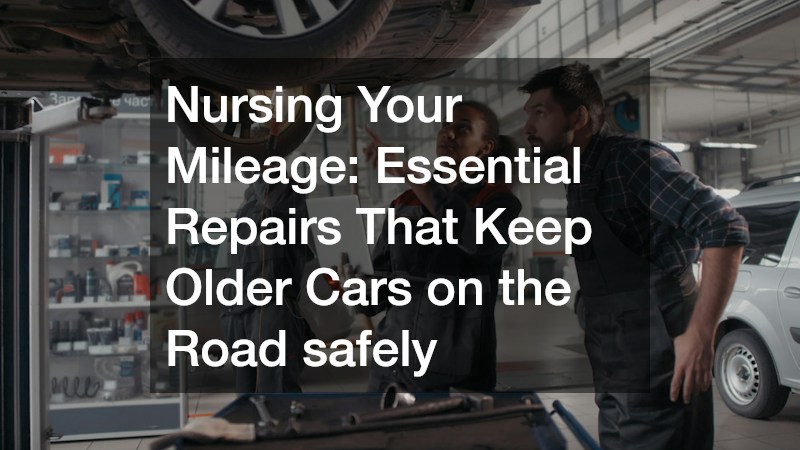

There is a distinct financial and psychological reward that comes with driving a high-mileage car. Crossing the 100,000 or 200,000-mile mark without a monthly auto loan payment frees up substantial income for other life priorities. You know the exact personality of your vehicle, its subtle quirks, and its handling limits.
However, keeping an aging vehicle on the road safely requires a shift in mindset from reactive fixing to proactive maintenance. As components age, rubber seals dry out, metal suspension joints wear down, and electrical connections oxidize. A neglected minor wear item can easily cascade into a major mechanical failure, stranding you on the side of the highway or compromising your safety in an emergency maneuver.
Extending the operational lifespan of an older vehicle is entirely feasible with the right strategy. By understanding which vital safety systems require early intervention, how to handle specialized engineering needs, and when to execute key repairs, you can keep your high-mileage vehicle running smoothly, reliably, and safely for years to come.
Maintaining Braking Systems, Hydraulics, and Stopping Power
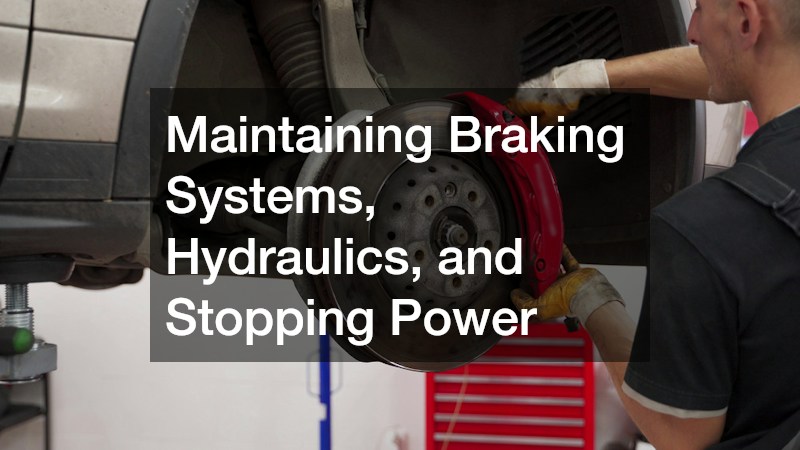
A car’s ability to stop reliably is its most critical safety feature. On an older vehicle, braking maintenance involves far more than simply swapping out worn friction pads when they begin to squeal. Over years of operation, extreme heat cycles cause brake rotors to warp, caliper slides to seize, and rubber brake hoses to degrade internally.
Brake fluid is naturally hygroscopic, meaning it absorbs moisture directly from the atmosphere over time. In high-mileage vehicles, old water-contaminated brake fluid drastically lowers the boiling point of the hydraulic system, leading to dangerous pedal fade during sudden stops or long downhill mountain drives. Furthermore, internal water accumulation causes invisible corrosion inside steel brake lines and expensive anti-lock braking system (ABS) control modules.
To keep your stopping system fully operational, integrate these essential inspection practices into your routine maintenance:
-
Flush brake fluid regularly: Replace hydraulic brake fluid every two years or 24,000 miles to eliminate internal moisture and protect sensitive ABS valves.
-
Inspect rubber flex lines for deterioration: Check rubber brake lines near wheel wells for dry rot, cracking, bulging, or outer chafing.
-
Service caliper slide pins during pad changes: Clean and lubricate caliper pins with high-temperature silicone grease to ensure even pad wear and prevent dragging brakes.
-
Monitor rotor minimum thickness specs: Measure brake rotor thickness using a micrometer during pad replacements rather than assuming old rotors can be resurfaced.
Addressing squeals, grinding noises, or a spongy pedal immediately through targeted brake repairs ensures your vehicle retains maximum stopping power during unexpected traffic slowdowns.
Restoring Suspension Geometry, Steering Precision, and Ride Stability
Suspension degradation occurs so gradually that many drivers fail to notice how sloppy their vehicle’s handling has become. Over tens of thousands of miles, shock absorbers lose their dampening hydraulic fluid, coil springs sag, and rubber control arm bushings tear.
Worn suspension components do far more than cause a bumpy ride. They severely impair your ability to perform emergency evasive maneuvers and significantly increase stopping distances by allowing the vehicle’s weight to transfer unevenly during hard braking. Loose steering tie-rod ends and worn ball joints can snap under heavy loads, causing complete loss of steering control.
Implement these actionable checks to evaluate and restore steering stability:
-
Perform the shock absorber bounce test: Push down hard on each corner of the vehicle; if the body bounces more than once or twice before settling, the struts need replacement.
-
Inspect tires for uneven tread wear: Cupped or feather-edged tread wear indicates failing shocks, worn ball joints, or severely misaligned suspension geometry.
-
Check rubber bushings for dry rot and tearing: Inspect control arms, sway bar links, and subframe mounts for split rubber or excess play using a pry bar.
-
Replace steering tie rods in pairs: If one inner or outer tie rod exhibits slop or play, replace both sides simultaneously followed by a four-wheel alignment.
When steering feels loose or unpredictable, seeking local suspension repairs restores crisp handling, eliminates tire wear, and stabilizes your vehicle during highway cruising.
Conducting Preventive Drivetrain Inspections and Selecting Qualified Repair Shops
The engine and transmission form the mechanical heart of your automobile. Keeping high-mileage drivetrains operational requires strict adherence to fluid change intervals, cooling system audits, and drive belt replacements. Rubber serpentine belts drive critical components like the alternator, water pump, and power steering pump; a snapped belt while driving brings the vehicle to an immediate halt.
Timing belts represent an even higher priority. On interference engines, a snapped timing belt causes pistons to collide directly with open valves, instantly destroying the engine. Replacing timing belts and water pumps according to manufacturer mileage intervals is essential insurance against catastrophic failure.
To build a reliable maintenance history for your vehicle, follow these provider selection tips:
-
Verify industry certifications: Choose facilities employing technicians certified by Automotive Service Excellence (ASE) who specialize in high-mileage diagnostics.
-
Confirm warranty coverage on parts and labor: Select facilities offering written nationwide warranties on all installed components.
-
Avoid fast-lube chains for complex diagnostics: Utilize dedicated facilities for major fluid flushes and mechanical work rather than quick-oil-change shops.
-
Request physical wear parts back: Ask technicians to show you removed, worn components to better understand your vehicle’s mechanical condition.
Developing an ongoing relationship with established auto repair shops ensures technicians become familiar with your car’s ongoing service history. Accessing comprehensive auto repair services allows you to handle routine maintenance and unexpected mechanical wear before minor issues escalate.
Addressing Complex Engineering and Electronic Systems in Import Vehicles
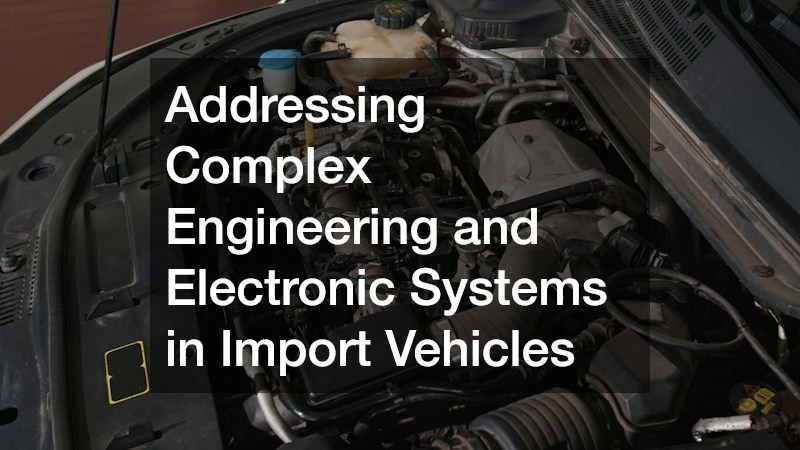
Imported vehicles, particularly German and European models, offer incredible driving dynamics and precise engineering. However, as these vehicles cross into high-mileage territory, their complex vacuum networks, sensitive electronic control modules, and specialized plastic engine components require precise care.
European manufacturers frequently utilize composite plastics for cooling pipes, thermostat housings, and oil filter housings. Over years of thermal cycling, these plastic components become extremely brittle and snap without warning, causing rapid coolant loss. Furthermore, sophisticated engine management systems rely on sensitive sensors that require exact electrical resistance values to keep the engine running smoothly.
European vehicle owners should follow these specialized care strategies:
-
Execute proactive cooling system overhauls: Replace plastic water pump impellers, expansion tanks, and plastic coolant hoses every 80,000 to 100,000 miles before they crack.
-
Utilize brand-specific factory fluids: Always use exact specification European synthetic motor oils, transmission fluids, and coolant formulas to prevent seal degradation.
-
Address oil leaks promptly: Fix valve cover gasket and oil filter housing leaks immediately to prevent dripping oil from deteriorating lower rubber suspension bushings.
-
Maintain battery voltage integrity: Weak batteries in complex European cars trigger false electronic sensor codes and errant warning lights across dashboard modules.
When electrical glitches or engine lights appear on high-mileage German vehicles, booking specialized audi repairs ensures technicians use factory-level diagnostic software. Partnering with a garage skilled in foreign auto repairs protects delicate electronic modules and keeps high-mileage performance vehicles running as intended.
Resolving Windshield Cracks and Preserving Structural Glass Integrity
A small stone chip on your windshield might seem like a minor cosmetic annoyance, but it poses a genuine safety hazard on older cars. Modern auto glass is an integral structural component of the vehicle’s safety cell. In a rollover accident, the windshield provides up to 45% of the structural roof-crush resistance, keeping the cabin from collapsing inward.
Furthermore, passenger-side airbags deploy upward against the inside of the windshield before expanding toward the occupant. A cracked or compromised windshield can shatter outward under the force of an inflating airbag, preventing the airbag from deploying into its proper protective position.
Protect your visibility and cab integrity by using these glass care steps:
-
Repair stone chips immediately: Resin-inject minor chips and star cracks before thermal expansion or rough roads cause them to spread across the glass.
-
Replace pitted, heavily scratched glass: Nighttime glare from oncoming headlights scatters across pitted glass, severely obscuring your view of the road.
-
Inspect windshield wiper arm tension: Replace worn wiper blades every six months and ensure spring tension in the wiper arms keeps blades pressed firmly against the glass.
-
Verify window seal integrity: Fix leaking glass rubber trim to prevent water from running under the dashboard where sensitive electrical wiring sits.
Scheduling prompt car glass repair for small chips prevents spreading, saving you the expense of a full windshield replacement while maintaining structural roof strength.
Correcting Body Panel Dents and Stopping Structural Rust Intrusion
Corrosion is the ultimate predator of high-mileage vehicles. While a minor door ding or dent from a shopping cart looks unsightly, any impact that cracks or chips the outer paint layer exposes raw sheet metal to atmospheric oxygen and road salt. Once rust takes root beneath the paint, it spreads invisibly along body panels and structural unibody rails.
Preserving the body structure of an older car involves keeping drain holes clear, repairing dented metal, and applying protective undercoating barriers before winter weather arrives.
Keep rust at bay with these body preservation techniques:
-
Wash the undercarriage regularly in winter: Rinse away accumulated road salt and de-icing chemicals from frame rails, wheel wells, and suspension mounting points.
-
Clear body panel drain holes: Ensure lower door drains and sunroof drain tubes remain free of debris so water cannot pool inside hollow metal cavities.
-
Touch up bare metal scratches quickly: Apply rust-inhibiting primer and matching touch-up paint over rock chips and paint scratches immediately.
-
Protect wheel arches and rocker panels: Apply rubberized undercoating or wax-based corrosion inhibitors to vulnerable underbody metal surfaces.
Addressing panel dings through specialized auto dent repairs restores clean body lines and reseals exposed metal before rust degrades structural integrity.
Preparing for Breakdown Emergencies and Roadside Recovery
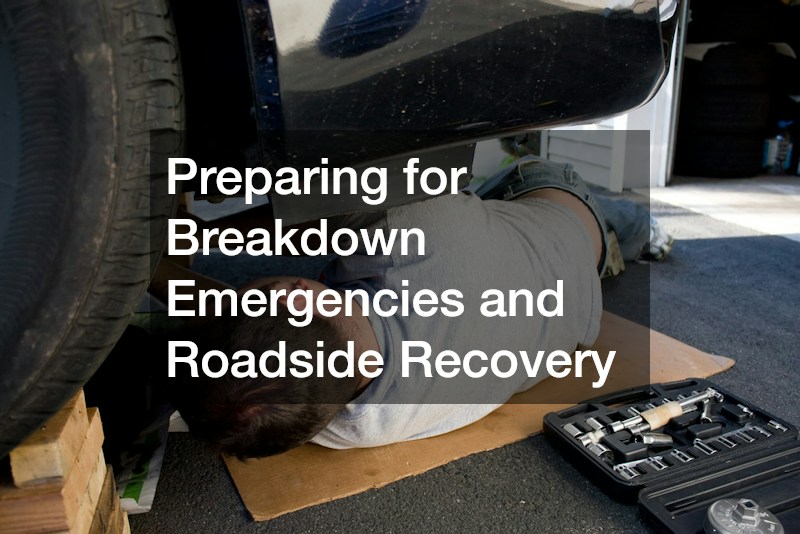
Even with immaculate maintenance, driving a high-mileage vehicle carries an inherent statistical risk of an unexpected component failure. A failing alternator, a punctured tire, or a blown radiator hose can happen without warning. Being prepared for a breakdown reduces stress, keeps you safe on busy highway shoulders, and prevents minor mechanical problems from becoming dangerous situations.
Every owner of an older vehicle should maintain an emergency kit in the trunk along with reliable roadside recovery coverage.
Build a comprehensive roadside emergency response plan around these core items:
-
Pack an emergency roadside kit: Store jumper cables, a portable lithium jump-starter pack, LED flashlights, basic hand tools, extra engine oil, and coolant in your trunk.
-
Maintain proper spare tire pressure: Check the inflation pressure of your compact spare tire quarterly so it is ready for use during a blowout.
-
Keep reflective safety gear on hand: Place high-visibility reflective vests and warning triangles in your vehicle to ensure visibility if stopped on a dark shoulder.
-
Carry a portable tire inflator and plug kit: A compact 12-volt air compressor allows you to re-inflate slow-leaking tires to reach a nearby service station safely.
Having established access to professional auto towing services ensures that if an insurmountable mechanical failure occurs far from home, your vehicle can be transported directly to a trusted repair facility without delay.
Evaluating Repair Costs Versus Replacement Value and Financial Reality
One of the hardest challenges facing owners of older cars is determining when a required repair is no longer financially sensible. As vehicles age and drop in market value, major mechanical failures—such as a blown head gasket, failed transmission, or severe frame corrosion—can exceed the total cash value of the automobile.
However, calculating whether to fix or sell an older car should not be based solely on its immediate market value. The true economic calculation compares the annual cost of necessary repairs against the total cost of purchasing and insuring a newer vehicle over the same time frame.
To evaluate the fix-versus-replace threshold objectively, apply these financial rules:
-
Track annual repair expenses: Aggregate all repair and maintenance costs over the trailing 12 months; if total repairs remain less than 12 monthly payments on a new car, keeping the old car makes financial sense.
-
Assess overall structural integrity: If the frame, unibody, and floor pans suffer from heavy structural rust, retire the vehicle regardless of mechanical condition for safety reasons.
-
Evaluate cumulative major system health: If an engine repair is needed but the transmission, suspension, and air conditioning are also failing, replace the vehicle rather than fixing one isolated part.
-
Factor in insurance and registration savings: Remember that older cars carry significantly lower monthly insurance premiums and annual property taxes than new vehicles.
If cumulative repairs consistently exceed your annual budget or structural rust compromises safety, browsing local used car dealerships allows you to find a reliable, newer pre-owned vehicle that fits your financial goals.
Steps 1 to 3: Monthly Maintenance Audits and Fluid Level Checks
Keeping an older vehicle running safely requires a consistent maintenance schedule. Executing simple, routine inspections allows you to catch slow fluid leaks, failing belts, and tire wear long before they lead to breakdown situations:
-
Step 1: Check engine oil and vital fluids bi-weekly: Park on a level surface, pull the oil dipstick, and inspect fluid color and level. Check power steering, brake, and coolant reservoir levels simultaneously.
-
Step 2: Inspect serpentine belts and hoses monthly: Look for cracking, fraying, or glaze on belt surfaces. Squeeze radiator hoses when the engine is cold to feel for soft spots or internal deterioration.
-
Step 3: Monitor tire pressure and tread depth monthly: Use a digital tire pressure gauge to set tires to factory door-jamb specifications, and check tread depth across all four tires using a tread gauge.
Steps 4 to 5: Annual Undercarriage Sign-Offs and Detailed Record Keeping
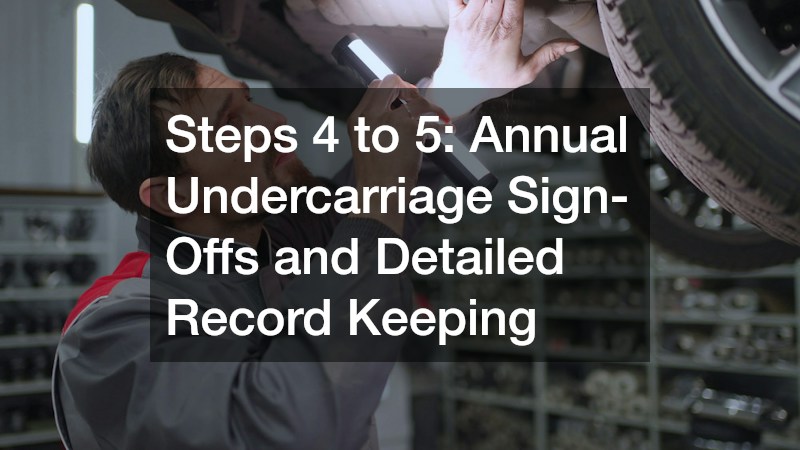
Long-term vehicle preservation relies on yearly technical inspections and organized maintenance documentation. Following these final operational steps ensures your high-mileage car remains safe, reliable, and valuable:
-
Step 4: Schedule an annual undercarriage inspection: Put the vehicle on a lift once a year to inspect floor pans, fuel lines, exhaust hangers, differential seals, and lower ball joints for hidden wear or corrosion.
-
Step 5: Maintain a dedicated service record binder: Save every repair invoice, fluid receipt, and inspection report in an organized binder. A documented service history proves proper care and significantly increases resale value when you eventually decide to sell.
Nursing a high-mileage car across major odometer milestones is one of the smartest financial strategies a driver can execute. By replacing rigid monthly loan payments with proactive maintenance, you keep your transportation costs low while enjoying a reliable, familiar vehicle. Success requires shifting from reactive repairs to a structured inspection routine that addresses wear items before they fail.
Prioritize vital safety systems like brakes, suspension, and structural glass above cosmetic perfection. Address minor oil leaks, keep rust from spreading, and partner with qualified trade specialists who understand the unique needs of older vehicles. With consistent care, high-quality replacement parts, and a clear safety strategy, your high-mileage car can deliver dependable service and peace of mind for miles to come.