
Navigating the stressful aftermath of a vehicular collision can feel overwhelming. Beyond the immediate shock of the incident lies a complex web of logistical decisions, technical evaluations, insurance interactions, and legal protocols. Taking structured action from the very first minute helps prevent unnecessary delays and costly mistakes down the line. By understanding the necessary response steps in advance, drivers can reduce confusion and remain in control during a crisis. Knowing how to systematically manage each phase of the process guarantees that your health, finances, and rights remain protected while ensuring your vehicle is restored safely to peak mechanical performance.
Navigating Immediate Safety Protocols and Roadside Assessment
The initial moments following an impact are crucial for establishing safety and setting a clean foundation for subsequent steps. Staying calm and executing structured checks minimizes ongoing physical hazards and simplifies future administrative tasks.
Assessing Physical Well-Being and Securing the Scene
Before evaluating property damage, turn your focus inward to assess yourself and any passengers for trauma. Sudden jolts can mask serious injuries behind spikes of adrenaline. Turn on your hazard lights immediately to warn approaching traffic. If the vehicle is operable and resting in a dangerous spot, slowly move it to the shoulder or a nearby parking lot. Place emergency flares or safety triangles behind your bumper if available. If the car is immobilized, stay buckled inside with your doors locked until emergency responders arrive on the scene.
Contacting Emergency Responders and Documenting the Incident
Always notify local law enforcement, even if an incident seems minor. Official police reports serve as crucial, unbiased evidence for both claims adjusters and legal professionals. While waiting for officers to arrive, collect detailed information from all involved parties, including full names, driver license numbers, contact numbers, and policy details. Avoid discussing fault or offering apologies at the scene, as statements made under stress can be misinterpreted during subsequent liability determinations.
Gathering Comprehensive On-Site Visual Documentation
Use your smartphone to capture high-definition photographs and videos of the scene from multiple perspectives. Take wide-angle shots showing lane markings, traffic signals, road conditions, weather factors, and the positioning of all involved vehicles. Capture close-ups of external body damage, paint transfer, shattered glass, and interior airbag deployments. Document skid marks, property destruction, and debris scattered on the asphalt, as these visual details assist damage appraisers in reconstructing crash dynamics.
Managing Medical Concerns and Legal Safeguards
Protecting physical health and legal standing must happen concurrently with vehicle recovery efforts. Delays in seeking care or legal counsel can severely jeopardize personal injury claims and overall physical recovery.
Seeking Timely Medical Evaluation for Hidden Injuries
Certain physical trauma, such as soft tissue strains, whiplash, internal bleeding, and concussions, may not present severe symptoms right away. Visiting an urgent care facility or primary physician immediately after an accident establishes a clear link between the crash and your medical condition. Following prescribed treatment plans diligently helps prevent chronic musculoskeletal issues and supports health recovery.
Working with Medical Specialists and Rehabilitation Experts
For individuals recovering from complex musculoskeletal injuries, structured therapy becomes vital for regaining mobility and strength. Consistent visits to physical rehabilitation professionals ensure that customized exercises, manual therapy, and recovery regimens are documented appropriately, demonstrating the ongoing functional impacts of the collision.
Preserving Formal Documentation and Medical Billing Statements
Maintain a centralized digital or physical folder containing every document related to the event. Keep copies of police reports, diagnostic imaging, medical bills, prescription receipts, and records of lost wages due to missed work hours. Detailed logbooks tracking daily pain levels, physical limitations, and care schedules strengthen your documentation when interacting with insurance professionals.
Consulting Specialized Legal Counsel
When collisions involve disputed liability, severe bodily injuries, or pushback from insurers, seeking guidance from personal injury attorneys provides crucial legal protection. Experienced legal advocates handle complex negotiations, prevent premature claim settlements, and safeguard your rights. Similarly, car accident attorneys assist in evaluating policy limits, assessing long-term loss of income, and securing comprehensive compensation for property damage and medical expenses.
Navigating the Claims Process and Appraisals
Filing claims requires systematic coordination with insurance representatives to ensure damage evaluations are thorough and cover hidden structural issues.
Initiating Claim Reporting and Document Submission
Notify your insurer as soon as safety concerns are addressed. Provide clear, objective summaries of the facts without guessing at details you did not witness directly. Submit all gathered photographs, police report numbers, and contact details for the other drivers. Understanding policy terms—such as collision coverage limits, comprehensive options, deductible levels, and rental vehicle allowances—helps manage expectations throughout the process.
Navigating Claims Adjuster Evaluations
Insurers assign adjusters to calculate repair costs and verify coverage limits. The initial assessment provides a baseline estimate based on visible surface damage, but initial reviews often miss underlying issues. Work closely with representatives from your selected auto insurance carrier to confirm that all technical repair procedures, diagnostic scans, and alignment checks are included in the overall coverage estimate.
Managing Damage Appraisals and Repair Supplements
Vehicles involved in moderate or severe collisions frequently conceal structural or mechanical damage beneath exterior panels. When technicians teardown the vehicle, they often uncover bent frame components, damaged suspension linkages, or compromised electrical wiring. The repair facility will submit supplemental estimates directly to the claims representative to approve these essential repairs before proceeding.
Choosing the Right Restoration Facility
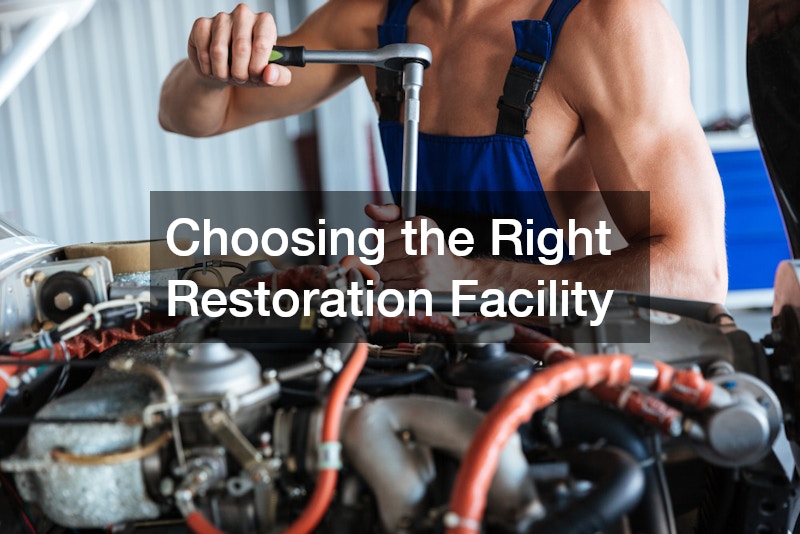
Selecting a qualified repair center is one of the most critical decisions following an accident. You hold the legal right to select where your vehicle is restored, regardless of insurance company preference lists.
Researching Independent and Direct-Repair Facilities
While insurance carriers often suggest preferred networks for quicker processing, independent repair facilities can offer comparable quality and custom care. Look for facilities with current certifications, positive customer feedback, and advanced diagnostic machinery. Choosing a reputable auto body shop guarantees that technicians follow strict original equipment manufacturer procedures to restore structural integrity and factory finish standards.
Verifying Certification Standards and Warranty Coverage
Inquire about the qualifications of the technicians working on your vehicle. Certifications from organizations such as I-CAR or ASE indicate that mechanics stay current on modern vehicle architectures, advanced high-strength steels, and specialized aluminum repair techniques. Always confirm that the shop offers a written warranty covering both workmanship and paint application for as long as you own the vehicle.
Evaluating Communication Transparency and Repair Timelines
Select a facility that maintains clear line-of-communication protocols throughout the repair lifecycle. The shop should provide regular updates regarding component arrivals, body work milestones, paint curing stages, and reassembly progress. Clear communication minimizes delays and keeps you informed about expected delivery dates.
Structural, Mechanical, and Exterior Restoration
Restoring a collision-damaged vehicle involves precise structural alignment, mechanical recalibration, and flawless paint matching to bring the vehicle back to pre-accident condition.
Unibody Straightening and Frame Realignment
Modern vehicles rely on engineered unibody designs crafted to absorb and redirect crash energy away from the cabin. Re-establishing exact factory geometry requires computerized three-dimensional measuring equipment. Technicians secure the chassis to hydraulic frame benches, pulling bent structural members back into millimeter-precise specifications. Proper alignment is essential for predictable vehicle handling and reliable future crash protection.
Sourcing Quality Replacement Components
Restoration quality depends heavily on the specific components integrated into the vehicle. Facilities choose among original equipment manufacturer parts, high-grade aftermarket options, and recycled original components based on insurance coverage and vehicle age. Ensuring the shop utilizes certified auto parts preserves long-term resale value, maintains structural safety integrity, and guarantees precise panel alignment.
Repairing Braking, Suspension, and Mechanical Systems
Impact forces routinely strain critical undercarriage mechanisms, steering racks, and braking components even during low-speed collisions. A detailed mechanical evaluation guarantees that bent control arms, damaged tie rods, leaking fluid lines, and worn friction materials are identified promptly. Scheduling professional brake repair ensures that your vehicle regains stopping performance, precise pedal response, and proper anti-lock system functionality before returning to the road.
Addressing Tire Damage and Wheel Balancing
Impacts against curbs, debris, or other vehicles can compromise tires, deform alloy wheels, or cause subtle belt separations inside the rubber structure. Damaged tires require immediate replacement to prevent unexpected blowouts on high-speed roadways. If temporary budget constraints require exploring recycled rubber options, choosing high-tread used car tires from reputable suppliers provides a cost-effective solution while maintaining safe road traction.
Restoring Vehicle Finish with Precision Refinishing
Matching fresh paint to aged factory finishes requires precise preparation and advanced color-matching tools. Technicians scan existing panels with spectrophotometers to account for sun exposure and shade variances before mixing custom refinishing formulas. Utilizing a local car paint service equipped with computerized spray booths guarantees a clean, dust-free finish, proper clear-coat application, and long-lasting protection against environmental wear.
Handling Specialized Electronic and Security Services
Modern vehicles incorporate complex electronic locking mechanisms, keyless ignition modules, and smart key fobs that can malfunction following severe electrical shorts or impacts. If door latches jam or electronic key units lose synchronization during collision repairs, certified auto locksmiths restore functional security access, reprogram transponders, and ensure safe mechanical entry.
Post-Repair Inspection and Vehicle Delivery Checklist
Before accepting your vehicle back from the repair facility, complete a thorough visual and functional inspection to confirm that all work meets quality and safety standards.
Inspecting Exterior Body Work and Paint Consistency
Inspect the vehicle in bright natural sunlight rather than under dim shop lighting. Examine body panel gaps along doors, the hood, and the trunk to ensure they are uniform and symmetrical across all seams. Check refinished surfaces for color matching, paint texture consistency, overspray on rubber seals, or subtle surface imperfections.
Verifying Mechanical Functionality and Diagnostic Scans
Request a copy of the final post-repair diagnostic scan report. Modern vehicles rely on complex electronic safety systems—including blind-spot sensors, adaptive cruise control, and automatic braking—that require calibration after body panel removal. Confirm that all warning lights clear upon startup and that auxiliary components such as power windows, air conditioning, and safety lights operate properly.
Conducting a Structured On-Road Test Drive
Take the vehicle on a brief test drive accompanied by a service advisor or shop manager before signing final release paperwork. Pay close attention to vehicle tracking on straight stretches, steering wheel positioning, unusual wind noise around door seals, and suspension quietness over bumps. Test stopping performance to confirm smooth braking without pulling, pedal pulsation, or abnormal squealing.
Long-Term Recovery and Preventative Maintenance
Completing physical repairs is a major milestone, but long-term care keeps your vehicle safe and reliable while protecting its remaining resale value over time.
Establishing Post-Collision Maintenance Schedules
Vehicles that have undergone structural or mechanical repairs require ongoing attention to ensure all restored components settle correctly. Schedule a follow-up inspection within 500 to 1,000 miles to re-torque wheel lug nuts, re-check alignment settings, and inspect underbody fasteners for tightness. Regular fluid inspections help spot subtle, delayed leaks in cooling systems or transmission lines before they cause major mechanical failures.
Documenting Diminished Value Claims
Even after expert repairs restore a car to pre-accident condition, its market resale value drops simply due to having a collision history report. Pursuing a diminished value claim with the at-fault driver’s insurance carrier helps recover this lost financial value. Gather repair invoices, pre-accident valuation estimates, and independent appraisal reports to support your claim for uncompensated loss.
Caring for New Paint and Exterior Finishes
Freshly applied clear coats and paint require delicate care during their initial curing phase. Avoid commercial automatic car washes using abrasive brushes for at least 30 to 60 days following repairs. Hand wash the vehicle using mild automotive shampoos, clean microfiber towels, and cool water. Postpone applying paste waxes or ceramic sealants until the paint has cured completely according to the repair center’s recommendations.
Methodically navigating the aftermath of an auto collision requires patience, organized record-keeping, and skilled technical assistance. Prioritizing physical safety at the scene, securing complete documentation, choosing certified repair experts, and completing detailed post-repair inspections ensure your vehicle returns to the road safely, reliably, and fully restored. Taking these necessary precautions gives you peace of mind during an otherwise stressful transition. With the right care and diligence, your automobile can serve you reliably for many miles to come.